
What Construction Workers Wish They'd Known Before They Started

Starting a construction job means walking into a world with its own rhythm, its own language, and its own way of testing whether you can handle it. Most new workers spend their first few weeks playing catch-up on things nobody bothered to explain ahead of time. Some of it is the kind of stuff you can only learn by doing. A lot of it isn't.
This blog covers the things experienced construction workers wish someone had told them before day one. How long it takes to feel competent. What working with a crew is really like. How to handle a paycheck that follows the weather. And the part of the job that keeps people in it for decades, once they get there.
If you're thinking about getting into the trade, this is what you'd want to know going in.
The Learning Curve Is Steep, But It's Short
The first few weeks on a job site cover a lot of ground. You're learning tools, terminology, site layout, and safety protocols all at once. Feeling behind early isn't a sign you're in the wrong career. It's a sign you're new.
Most workers feel competent within two to three months of steady field work. The work itself is the best teacher. You learn by laying pipe, setting forms, running equipment, and asking questions when something isn't clear.
That last part trips people up. New workers often hide what they don't know because they think it makes them look weak. It does the opposite. Asking a question before you start a task is a sign of professionalism. Pretending you understood when you didn't is how you lose credibility on day one.
At Charles H. Hamilton, new hires train alongside crews who've been doing this for years. That's how the work gets learned the right way. You watch. You ask. You do.
Your Body Adjusts Faster Than You Think
.jpg)
A lot of people considering construction jobs with no experience assume they need to show up in gym shape. You don't. Job site fitness is built through the work itself. It has more to do with endurance than how much you can lift.
The body takes about two weeks to settle into the physical pace. The first week is the hardest. By the third, the routine starts to feel normal. The work doesn't get easier. You just stop being sore every morning.
Three things make the biggest difference during that adjustment. Drink more water than you think you need. Eat enough to fuel a full day on your feet. Get real sleep. That's what separates the new hires who stick with it from the ones who burn out in the first month. Working outside for a living covers more of what the daily reality looks like.
The Crew You Work with Changes Everything
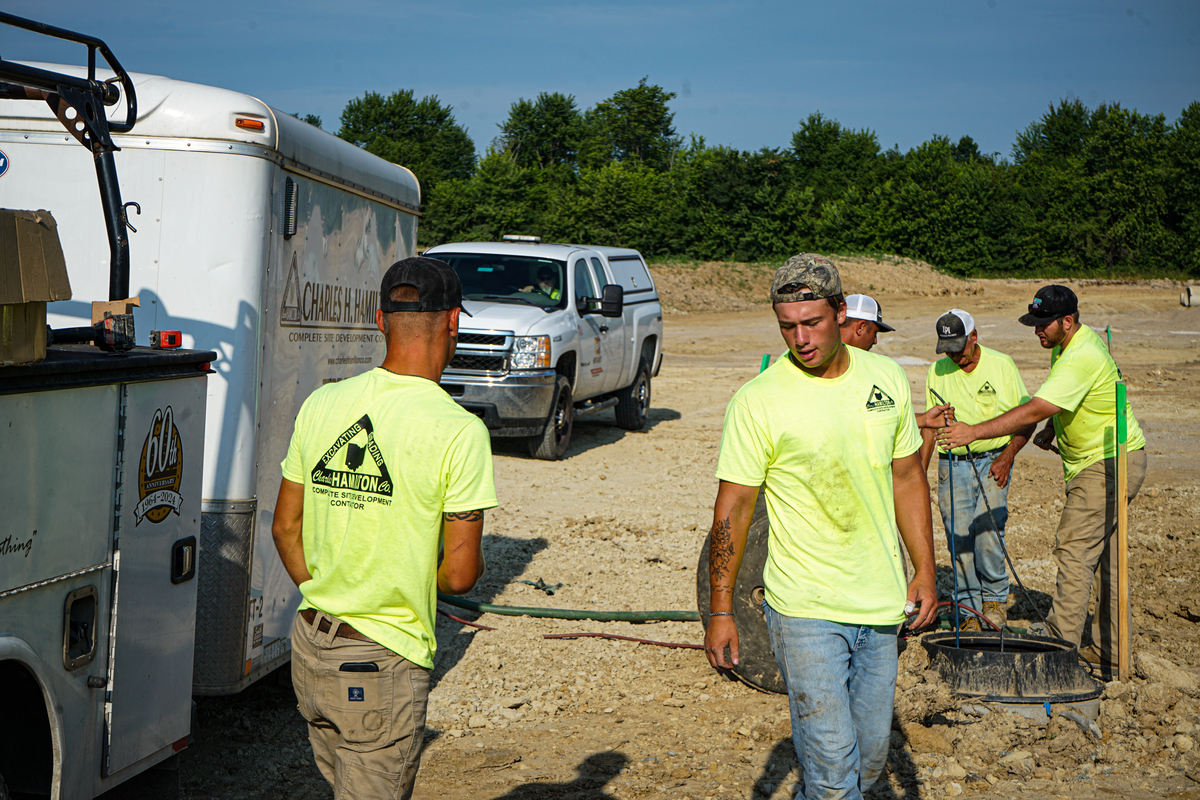
On a construction site, the people next to you shape your experience more than anything else about the job. A good crew treats a new worker like a teammate worth investing in. A bad one treats you like a burden. That difference often decides whether your first year is the start of a long career or the end of a short one.
When you're sizing up where to apply, pay attention to how the crew talks to its newest member. Do experienced workers answer questions, or do they make the new guy feel stupid for asking? Does the company train people, or does it expect everyone to figure it out? Are the trucks and machines maintained, or are they run until they break?
None of that shows up on a job application. All of it tells you what your daily life will look like.
At Charles H. Hamilton, the crews are the company. Most workers who quit the trade don't leave because of the work itself. They leave because of the people they work with. That's why some companies hold onto their crews while others don't.
Budgeting for a Job That Follows the Weather
Construction work is seasonal. There will be slower stretches in winter and during long runs of rain. That's not a secret. It's a reason to plan.
Peak months from late spring through fall are when most workers earn the bulk of their annual pay. Experienced workers use those months to build a fund. The fund covers fixed expenses during slower stretches. That's the same approach anyone managing seasonal income uses, and it works.
A common approach is to save 10 to 15 percent of every peak-season paycheck into a separate account. By the end of the season, that fund covers most of the slower months without touching your regular savings. The earlier you start, the easier the rhythm gets.
The Part Nobody Can Explain Until You've Felt It
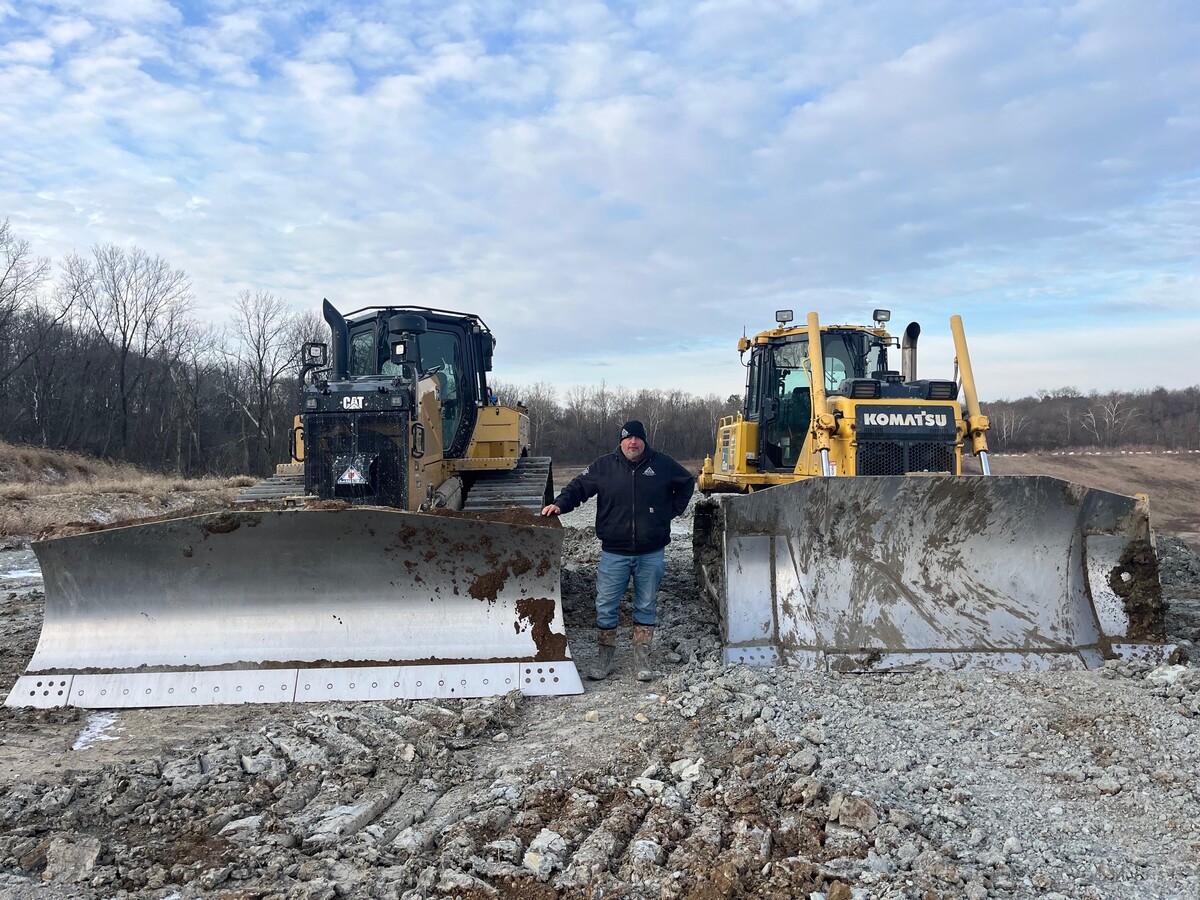
You finish a construction project and it stays finished. The road, the curb, the building, the parking lot. You can drive past it years later and still see what you helped put there.
That sounds small until you've felt it. The pride of seeing your work outlast the season is what keeps most long-term workers in the trade for decades. A recent industry study reported that construction workers scored 72.20 out of 100 in overall job satisfaction, on average. Compensation and career opportunities scored especially well.
That pride isn't a private thing, either. The crew you poured concrete with at 5 a.m. or pulled an extra shift with when the weather closed in is the crew you'll share the finished job with. Construction is one of the few careers where the people who did the work together can stand on it together.
Build a Career That Lasts with Charles H. Hamilton
If anything in this blog made the trade sound like the right move, Charles H. Hamilton is hiring. Our crews handle excavation, underground utilities, concrete, and curbs across Southwest Ohio. We've been doing this work for more than 60 years.
The benefits of working in construction start early and build from there. You learn skills that get more valuable the longer you do them. You see your work last. At Charles H. Hamilton, new laborers train alongside experienced operators. That's how the path from laborer to operator stays open for people who put the time in. We also offer health, vision, dental, and disability insurance, a 401K with company match, and paid vacation.
Apply today to build your career with Charles H. Hamilton, or get in touch with any questions this blog didn't answer. The work is here. The crew is ready.