
What Nobody Tells You About Working Outside for a Living
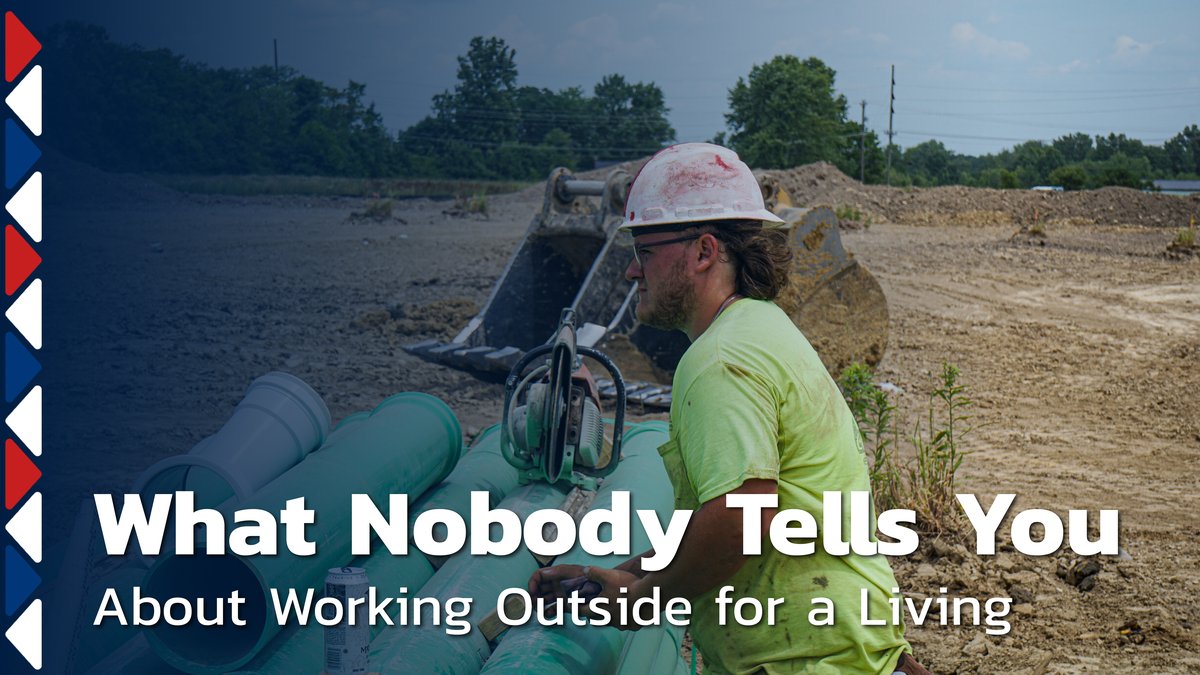
Most content about construction careers leads with the same list: good pay, solid benefits, room to grow. All true. None of it speaks to what daily life looks and feels like in the job.
What does a full year of outdoor work actually look like? How does your body adjust? What happens to your schedule, your paycheck, and your energy level when the seasons shift? These are the questions that don't get covered in a job posting.
This blog covers the stuff that doesn't make the recruitment pages. The parts that are hard, the parts that surprise people, and the specific reasons workers who switch to outdoor jobs tend to stay. Read it, weigh it against your own life, and decide for yourself.
What the Weather Actually Feels Like Across a Full Year
Working outside in Southwest Ohio means getting every version of the weather, and not from a window. Summer heat and humidity sit on you like a weight before you've finished your first task. February mornings start dark and cold enough to stiffen your hands before the crew's even set up. Spring and fall are the good stretches, but they bring mud and rain that keep the ground soft and the boots heavy.
None of that is exaggeration. Construction makes up about 6% of the workforce but accounts for over 35% of heat-related injuries and illnesses. That's exactly why good crews treat weather as an operational reality instead of a toughness contest. Experienced workers add and shed clothing layers through the day. They hydrate on a schedule that starts before they're thirsty. They time shade breaks to the worst heat windows and use cooling gear that actually works. These are learnable habits, not survival instincts. Weather doesn't stop being hard. But a worker in their second summer manages heat differently than a worker in their first, and that gap comes from routine, not toughness.
The Early Morning Question
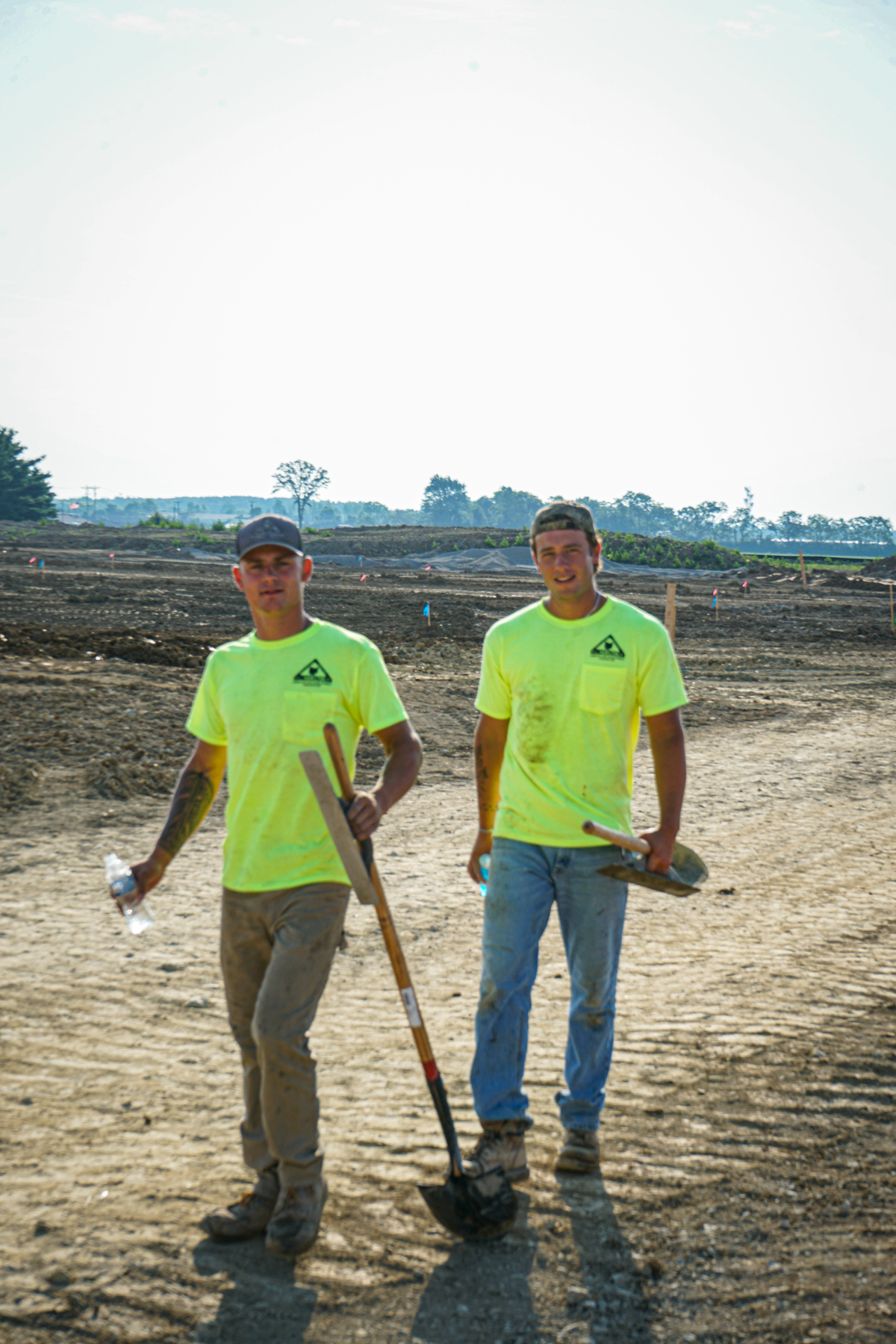
In the tri-state area, most crews start around 7:00 a.m. That means your alarm goes off somewhere between 5:00 and 5:30, depending on your commute. If you're coming off closing shifts in retail or late nights in a warehouse, that's a real adjustment. The first couple of weeks, your body will fight you on it.
Here's the part nobody weighs until they've lived it. A 7:00 a.m. start usually means you're done by mid-afternoon. Your evenings open up in a way they never did when you were clocking out at 9:00 p.m. or later. You get home with daylight left and enough energy to use it, which feels different from dragging yourself through a front door at 10:00 p.m.
That tradeoff doesn't show up on a job posting. It shows up about three weeks in. The early alarm stops feeling like punishment and starts feeling like the price of a completely different daily rhythm.

Your Body Will Figure It Out
A lot of people never apply for beginner construction jobs because they assume they need to already be in shape. That assumption keeps more people out of the industry than the work itself does.
The first two weeks will remind you of muscles you didn't know you had. That's normal. Soreness, fatigue, and the learning curve of pacing yourself through a full day are all part of the ramp-up. That adjustment extends to the elements, too. Your first full week in July heat or January cold feels relentless. By your second season, your body has calibrated to the swing between them. You learn what to wear, when to hydrate, and how to pace differently on a 95-degree day versus a 30-degree morning. But the work builds all of it over time. Construction conditioning is functional. It comes from repetition and movement across a full shift.
What felt exhausting in week two starts to feel routine by month two. An estimated 32 million U.S. workers hold outdoor jobs, and every one of them went through some version of this same adjustment. The better question is whether physical work fits your personality, not whether you're already strong enough. Strength follows the work. It doesn't have to come first.
The Seasonal Rhythm (and How Workers Handle It)
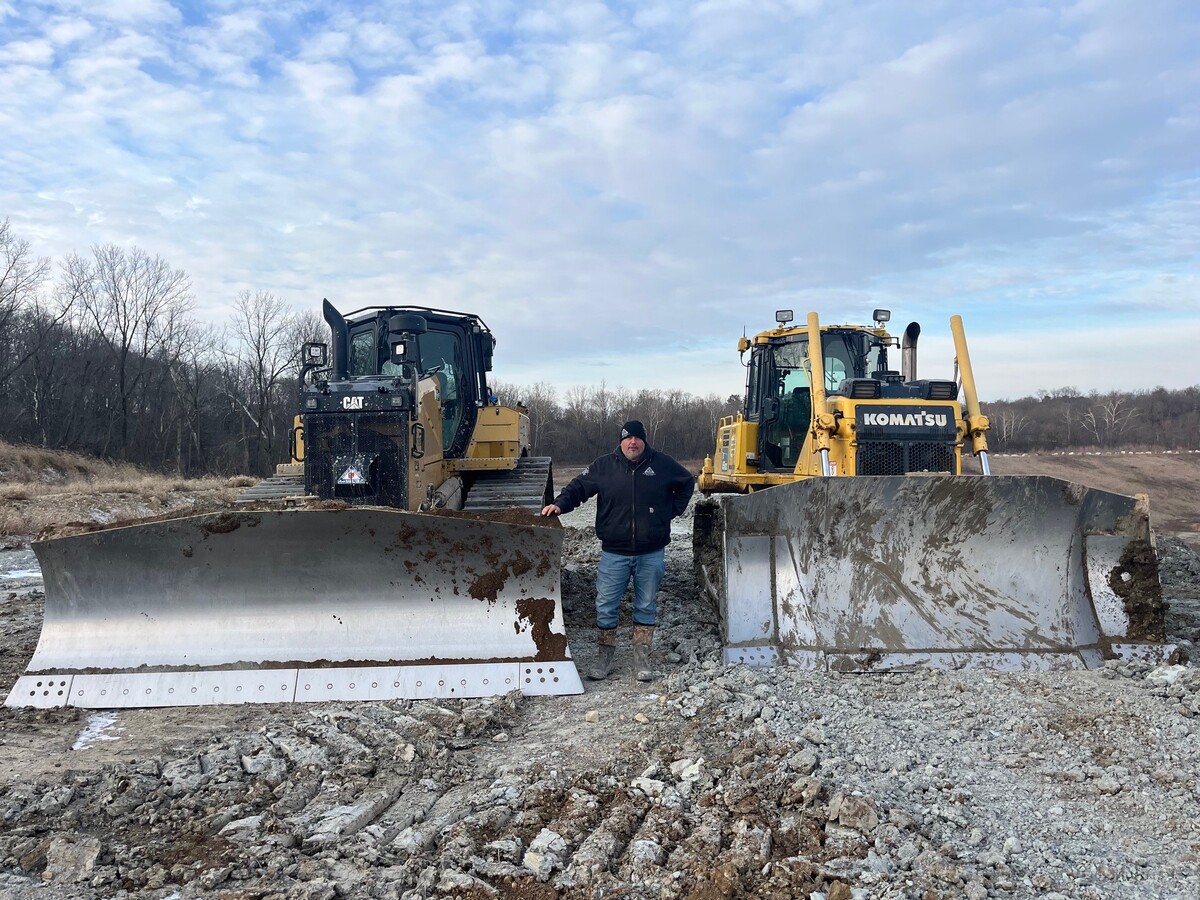
Construction in Southwest Ohio follows a seasonal cycle. Experienced workers settle into it physically and financially. The busy season runs roughly from April through December. The heaviest stretch hits in the warmer months when the ground cooperates and daylight is long. January through March slows down. Weather delays stack up, and hours aren't as consistent.
That's not a secret the industry hides. It's a pattern every experienced worker plans around. Some pick up side work during the slower months. Others budget through the busy season so the winter dip doesn't sting. Crews that have been through a few cycles together know the rhythm well enough to treat it like any other predictable expense.
If you need guaranteed 40-hour weeks every single week of the year, that's worth knowing upfront. But if you can plan around a seasonal pattern, the trade is worth knowing. Busy months bring steady work and overtime. The slower stretch is a built-in break that most year-round jobs don't offer.
The Tradeoff Nobody Talks About
"Is construction work hard?" is the question most people start with. "Harder than what, and what do you get back?" is the one worth asking instead.
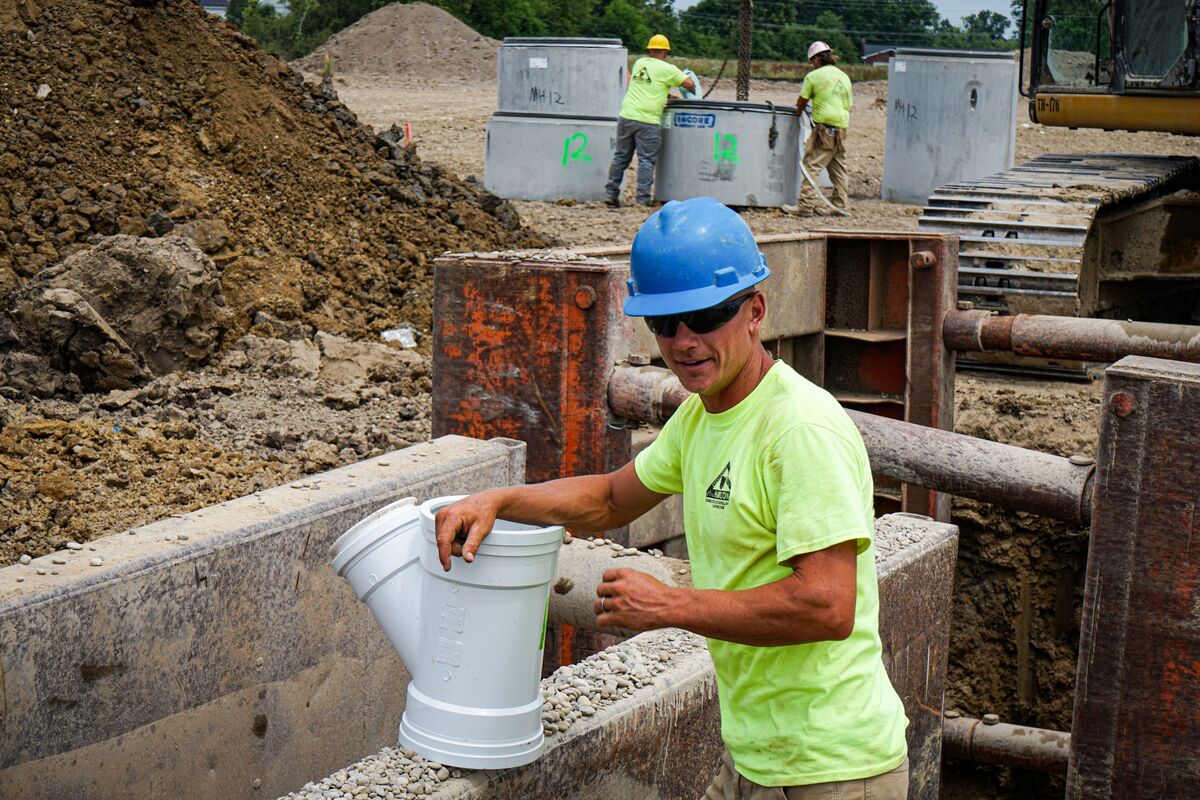
Outdoor construction work is more physically demanding than most indoor jobs. But the mental and emotional load is different in ways that catch people off guard. You're not staring at a screen all day or managing difficult customers. You have more control over how you move through your shift. And crews that do hard physical work together tend to build a different kind of bond than office or retail teams.
Research backs this up. Outdoor work has been linked to improved mood, sharper focus, and stronger overall well-being. Construction workers consistently report some of the highest job satisfaction rates in the trades.
The people who prefer outdoor work prefer it for specific, tangible reasons. Less mental drain. More physical honesty. A schedule that gives your evenings back. Those reasons are worth knowing before you make a decision. The answer isn't the same for everyone, and it doesn't need to be.
Build a Career Outdoors with Charles H. Hamilton
Charles H. Hamilton has been doing site development work across Southwest Ohio for over 60 years. Every season, every weather pattern, every adjustment this blog describes is something our crews have already been through. New workers learn from the people who've figured it out, and that's how plenty of our laborers have grown into heavy equipment operators over time. You don't need a perfect resume or a background in construction. You need to show up ready to work and willing to learn.