What to Compare Before Changing Construction Jobs
It’s just about that time of year again: job hunting season. Winter is coming, and construction work slows with it. That leaves workers with more time on their hands. It’s the perfect opportunity to finally address some of the issues that have been in the back of your mind this year. It’s normal for people who have a job to have a running list of things they’d like to improve by switching to a new company. And for once, the choosing is actually yours to do.
The construction industry still needs people. Employers in the field added 33,000 jobs in January 2026 alone. And the Associated Builders and Contractors estimates a need for about 349,000 more workers this year to meet demand. This means you have room to be selective about your employment opportunities. But where do you start?
Naturally, you might want to start by looking at pay. But if you start there, you’re missing an important part of the picture. The hourly rate won’t tell you some of the important things you need to know before deciding to work at a new company. This blog will tell you what to look at so you can take full advantage of the industry’s need for your skills.
Compare Total Pay, Not Just the Hourly Rate
What makes up total pay, if not the hourly rate? Benefits are the other thing to factor. At the end of 2025, employers spent about $32.36 an hour on wages and an additional $13.79 on benefits. That brings the average total pay to $46.15 an hour. Not bad. And sure, with the economy what it is right now, that extra money in the form of benefits feels like it's out of reach where you need it. But a solid benefits package covers you when life happens:
- Health insurance. Coverage for you and your family when you're hurt and can't work.
- Retirement. A match means the company puts money toward your future in addition to the money you are contributing.
- Paid time off. Vacation and holidays you can count on, not hours you lose.
- Overtime, travel, and prep time. Ask which of these are paid, because they change what you actually earn.
So when you're looking past the top-line wage, you're looking at quality of life as a dollar amount. A job paying a dollar or two more an hour can still fall short of one with a stronger package.
What to Look at Besides Pay When Comparing Employers
Pay and benefits are the start of the comparison, but they aren’t the whole thing. A lot of what makes a job good or miserable shows up in how a company runs when nobody's putting on a show. Most of it you can see before you ever sign on. You just have to know where to look and what to ask. Here are four things that tell you most of what you need to know.
Equipment Condition and Downtime
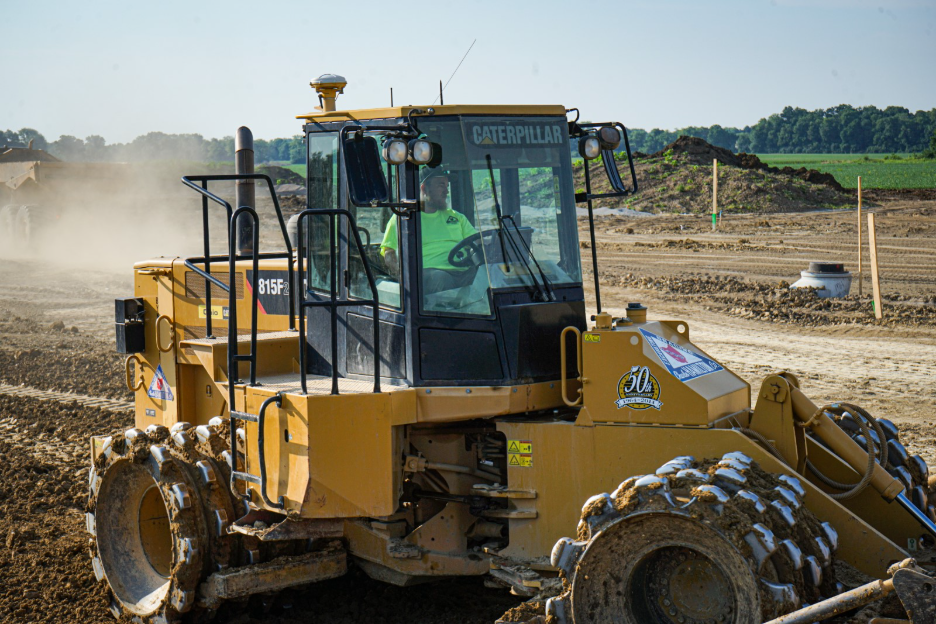
Start with the machines sitting in the yard, because they're the easiest read you'll get on a company. Here's what to look at:
- Worn tracks, leaks, or old repair tags. A machine tagged out for weeks tells you how fast this company fixes things.
- How often equipment goes down. Ask what breaks, how often, and how long a fix usually takes.
- The overall state of the yard. Equipment that's clean and cared for is a company willing to spend to do the job right. A neglected yard is a company cutting corners.
How a Company Trains Its Workers
The way a company brings new people along tells you whether you'll be better at this in a year, or stuck exactly where you started. Naturally, you want the kind of place that puts you next to people who already know the work. So here's what to ask about:
- Who actually trains you. You want time next to experienced operators, not a tool handed over with no instruction.
- How you move up. On a good crew, a laborer who proves reliable earns seat time on equipment and takes on more as the skill grows.
- Whether they help with credentials. Earning a CDL, the license for the bigger trucks and trailers, opens another door into equipment work.
- What a worker there can do after a year or two. The answer tells you whether skill grows on the job or stalls.
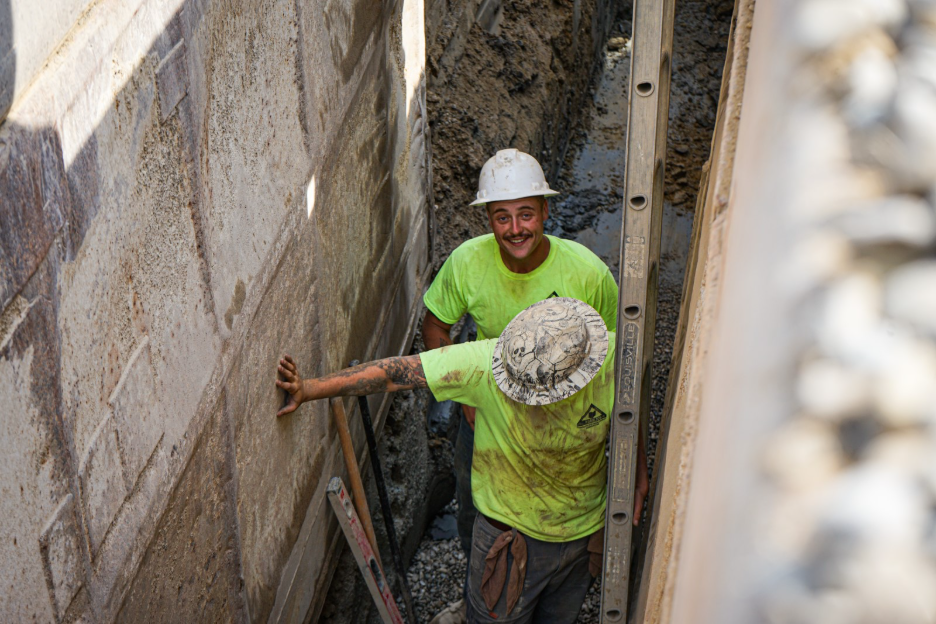
Safety Practices and How the Crew Is Treated
On a construction site, safety is the difference between a routine day and a serious injury. Construction saw more fatal injuries than any other private industry in 2024. So take a hard look at how a company runs its job sites before you sign on. Here's what to watch and ask about:
- Stop-work authority. Ask whether a worker can shut a task down when he spots a serious hazard, without catching heat for it.
- Who pays for gear. A company that provides protective gear that fits, at its own cost, is one that takes safety seriously.
- How a raised concern gets handled. Watch whether a foreman answers the question and fixes the problem, or goes quiet.
- How the crew gets spoken to. The way a company treats the person who raised a hazard is how it treats everyone when the work is behind.
How Employers Handle the Off-Season
Winter is the hard season in this trade. Work gets scarce when the weather turns, and construction hiring rises and falls with it every year. No company can change that, so the question isn't who promises steady work through the winter. It's who's honest about the slow months and plans around them. Here's what to find out:
- How much notice you get. A company that tells crews about schedule changes ahead of time respects your ability to plan around them.
- Whether they're upfront about winter. You want an employer that walks you through the seasonal schedule before you take the job, not one that lets you find out in December.
- What the slow months actually look like. Ask what a typical winter has looked like for the crew, so you know what you're signing up for.
Build a Career With Charles H. Hamilton
You don't have to chase the biggest number on an ad. What you're looking for is a company that gives you a straight answer about the hard parts before you sign. A company that won't oversell the winter probably won't oversell anything else.
Charles H. Hamilton is that kind of company. We tell people what the work really involves, including the slow winter months, before they ever sign on. We train our own laborers onto equipment over the years, so people who show up and prove themselves move up. The work comes with health, vision, dental, and disability coverage, a 401(k) with match, paid vacation, and paid holidays.
If that sounds like what you've been looking for, apply today to build your career with Charles H. Hamilton.