How a CDL Can Jumpstart Your Career in Construction
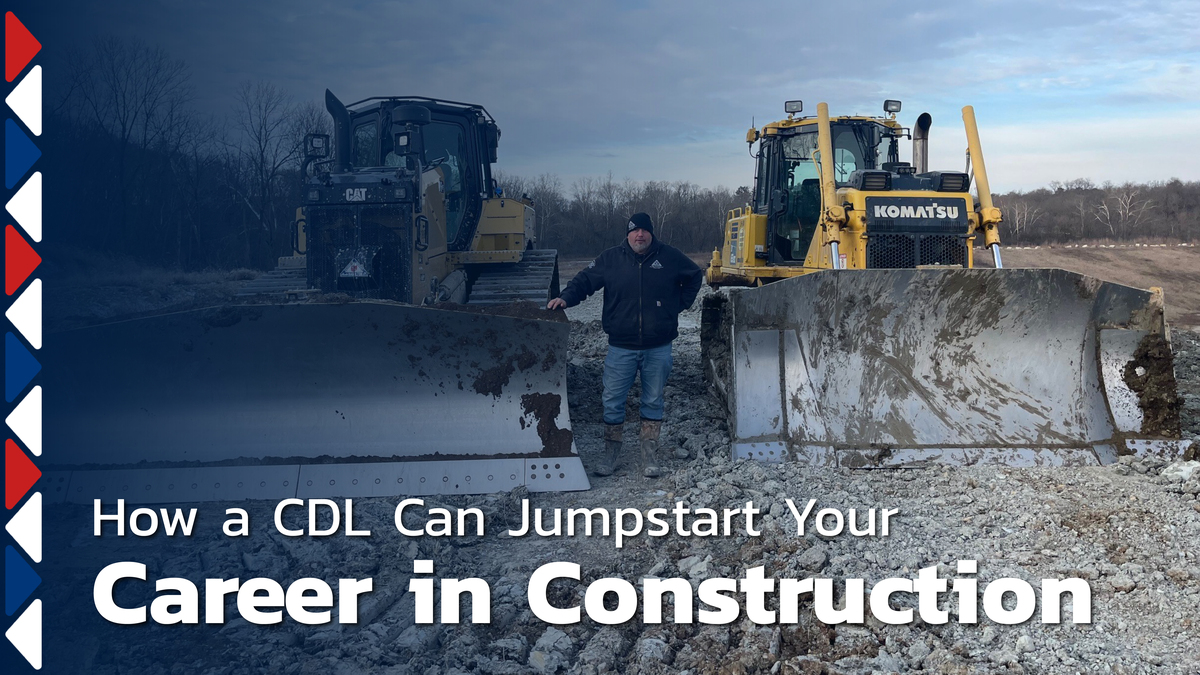
You got your CDL to drive trucks. Now every job listing looks like another version of the same long haul or the same delivery loop.
It doesn't have to be. A CDL applies directly to site development and construction work. Most drivers never think to look in that direction. The same credential that puts you on a highway also puts you behind the wheel of the trucks that build subdivisions and grade roads. The work is local. The days are varied. The license you already hold is the thing that gets you on a crew.
Here's what that actually looks like.
What does a CDL have to do with construction?
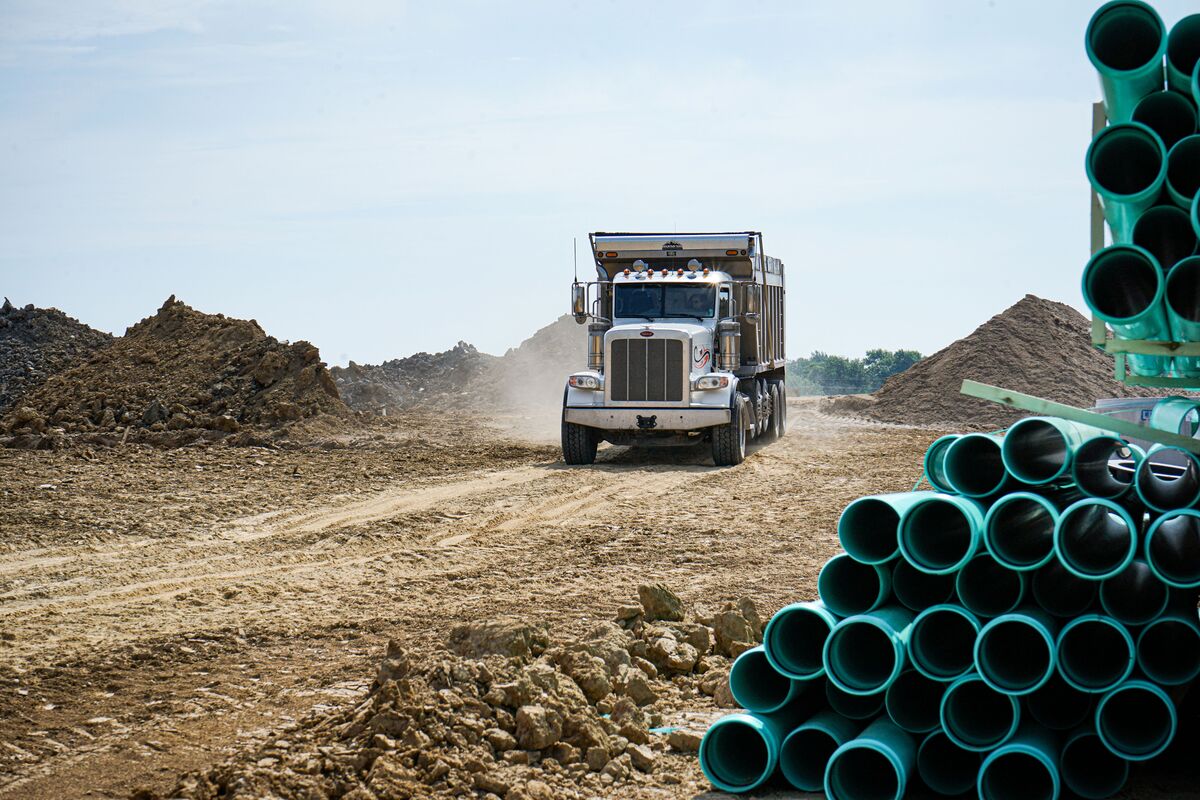
More than you'd think. On a site development project, CDL-rated trucks run all day. Dump trucks haul material between cut and fill areas as grading progresses. Water trucks handle dust control across the site so crews can keep working safely around them. Off-road haul trucks move aggregate, dirt, and stone between staging areas and active zones. Equipment transport vehicles shuttle machinery between job sites when projects overlap.
These are trucks you may already recognize. The difference is the workday around them. You're not logging interstate miles. You're on an active crew, coordinating with operators and foremen in real time. The license is the same. The context changes everything.
How is construction driving different from OTR?
The biggest difference is proximity. Construction CDL drivers work shorter routes, often within the same site or between two nearby projects. There are no overnight hauls. No weeks away from home. Most days, you're back home by dinner.
Your tasks shift throughout the day, too. You might haul fill material in the morning, switch to water truck duty after lunch, and reposition equipment before the site closes. The variety depends on what the crew needs, and that changes with the phase of the project.
The tradeoff is a different kind of physical work. You're outdoors in whatever the weather decides to do. Heat, cold, rain, mud. The realities of working outside are part of the deal, and construction doesn't pause for a forecast.
What replaces the solitude of a cab is a crew. You work alongside operators, laborers, and foremen throughout the day. The coordination between trucks and equipment is constant. Drivers who've spent years alone on a highway often find that the crew dynamic changes their perspective on CDL work the most. The job gets more social, more varied, and a lot less repetitive.
What do CDL construction jobs pay?
Pay depends on the role, the region, and your experience. The numbers at Charles H. Hamilton are competitive with other CDL driver opportunities. Here's what the industry data looks like:
- Ohio construction truck drivers: $48,000 to $79,200 per year on average, depending on experience and role type.
- National average for CDL construction roles: approximately $79,176 per year (ZipRecruiter).
- Off-road haul truck drivers: approximately $71,196 per year nationally, with top earners near $101,000 (ZipRecruiter).
Demand backs those numbers up. The BLS projects roughly 237,600 annual openings for heavy truck drivers through 2034. CDL wage data from early 2025 shows a 16% increase in just one quarter. Employers across industries are competing hard for CDL talent.
These are industry averages, not guarantees. But they confirm that CDL construction jobs aren't a step backward financially.
Can a CDL lead to equipment operation?
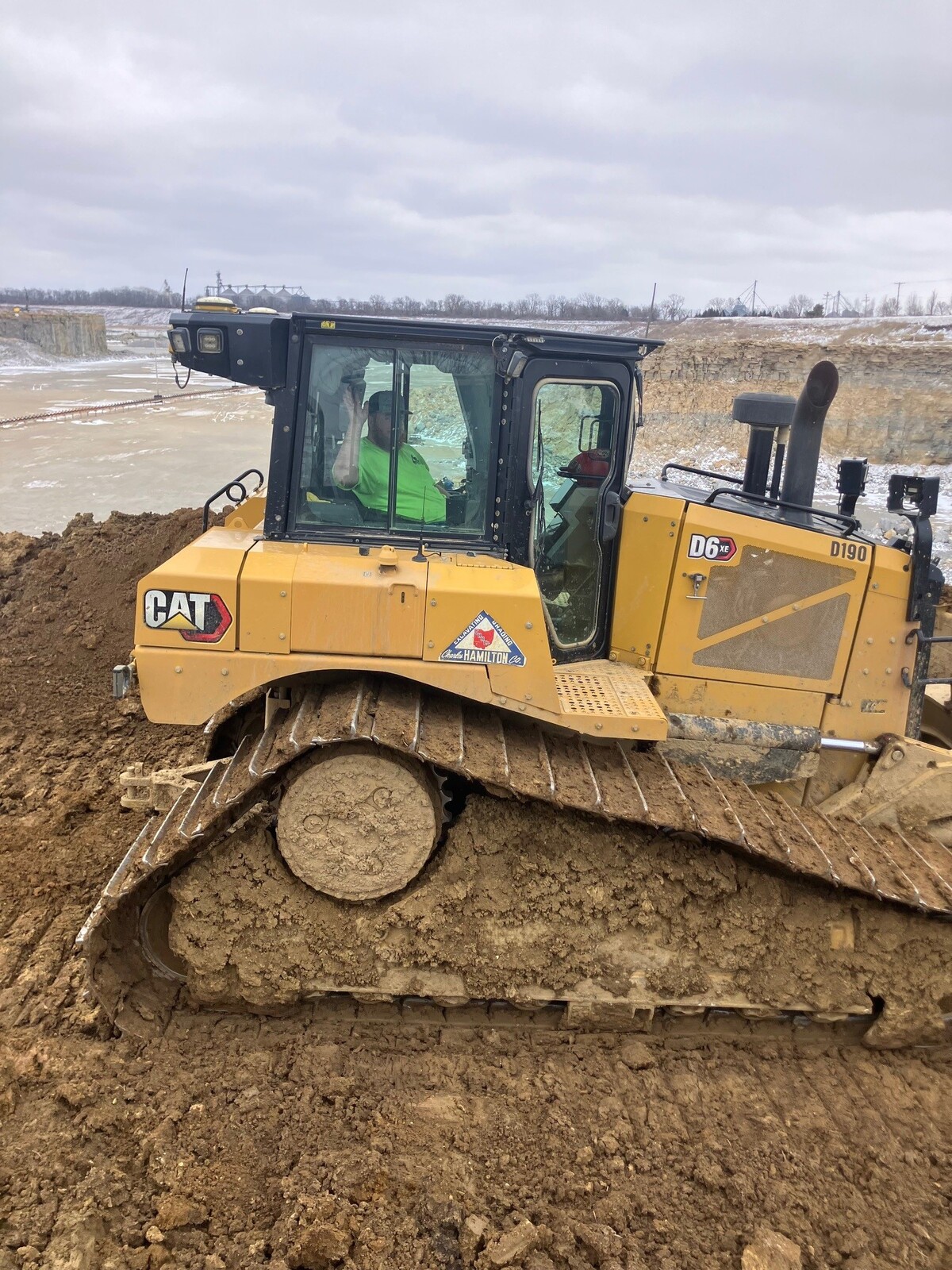
This is where the long game gets interesting. A CDL gets you on a site development crew. Once you're there, the operators running dozers, excavators, and compactors are right next to you all day. That proximity is how skills transfer in construction. There's no classroom for it. You learn by watching, asking, and eventually getting seat time when the opportunity comes.
The path from laborer to heavy equipment operator is one that companies like Charles H. Hamilton actively support. The industry needs operators. According to Equipment World's 2023 data, 82% of heavy equipment operators are over 50. Those operators are approaching retirement, and the industry doesn't have enough younger workers behind them. A CDL can get you there.
A CDL paired with equipment skills makes you one of the most versatile people on any crew. It won't happen in a week. Nobody's going to hand it to you. But the readiness is something you can build over time. You don't need a degree to get started. You need a willingness to learn and a crew that gives you the room to do it.
Drive for a crew that puts your CDL to work. Drive for Charles H. Hamilton.
At Charles H. Hamilton, off-road truck drivers are part of the operator team. You'd be working site development and subdivision projects across Southwest Ohio with a crew that's been at it for over 60 years.
Charles H. Hamilton offers health, vision, and dental insurance, disability coverage, a 401K with match, and paid vacation. The work is seasonal and weather-dependent. That's the reality of construction. But the crew you'd be joining has built its reputation on quality and on keeping good people.
If your CDL has been taking you down the same road, it might be time to put it to work on a different kind of site. Apply today to build your career with Charles H. Hamilton.