Why Construction Workers Are Proud of Their Careers
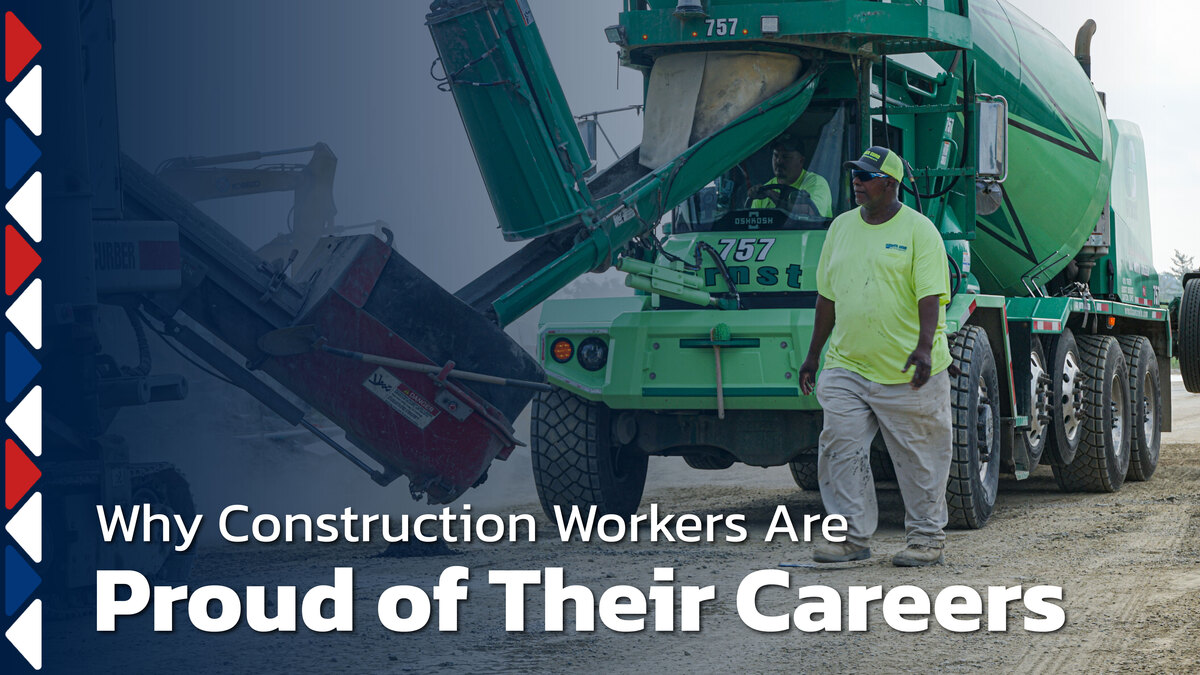
Ask construction workers how they feel about their jobs, and you'll hear something that might be surprising. They're proud of what they do. Recent analysis shows construction had the highest overall job satisfaction score of any industry, about 72.2 out of 100. Given its reputation, that might be a surprising number. So where does that level of satisfaction come from?
Maybe you've only heard about the physical demands, the weather, or the early mornings. But people actually doing the work understand that construction jobs involve layers of skill and responsibility, along with problem-solving that isn't visible from the outside.
This blog looks at what makes construction workers proud of their careers. The parts most people miss are the same parts that explain why satisfaction is so high and why people who enter the field stay.
The Problem-Solving That Happens Every Day
Part of that satisfaction comes from the thinking required on every job. Construction sites require constant changes. You hit bedrock where the plans showed clear soil, so you adjust the trench path and talk to the engineer. The forecast shows rain in two hours, so you time the pour to finish before the storm hits.
These types of decisions happen throughout the day, at every level. The work requires you to read the situation, figure out what needs to happen, and act on it. If you like solving problems in real time, construction gives you that chance constantly. You're making calls that affect how the project turns out, and being trusted with those decisions creates a sense of pride in the work.
The Precision Behind Work That Looks Simple
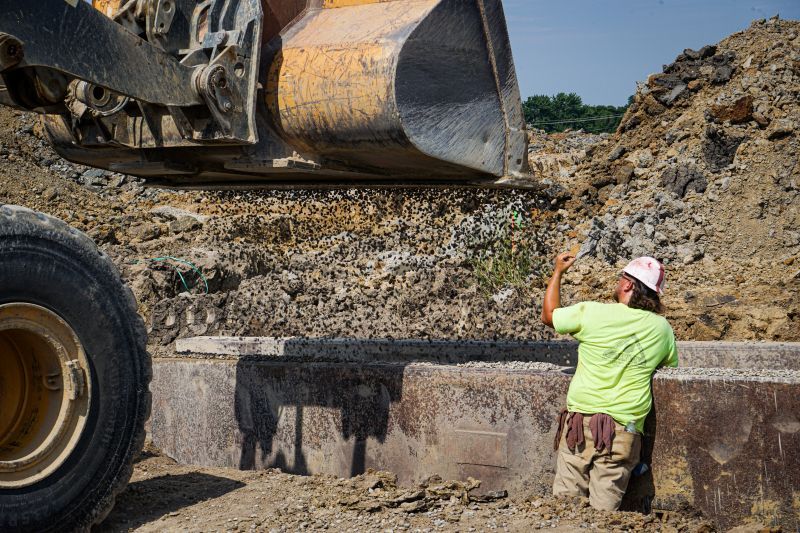
Grading a site to within a quarter-inch over hundreds of feet doesn't look hard from the road. But it requires focus and constant small adjustments. Operating a backhoe within inches of existing gas lines means understanding depth and angle. It means knowing how the equipment responds. Finishing concrete to exact slopes so water drains right takes timing and touch. You need to know how the material behaves as it sets.
Setting forms means reading plans and measuring carefully. It means thinking ahead about how strong the structure will be. The technical precision required in construction isn't always obvious. But it's there in every phase.
The work looks easy because people who've mastered it make it look that way. The precision required separates okay work from quality work. That difference matters for the project. It also matters for the pride construction workers take in what they do.
The Responsibility You Carry from Day One
Construction workers are trusted with expensive equipment from the start, along with site safety and decisions that affect schedules and budgets. You don't grow into this over months; it starts right away.
A mistake operating a $300,000 excavator can cost thousands, and failing to follow safety rules can put coworkers in danger. Missing a grade can delay the entire project, while damaging an existing utility can blow the budget. That weight makes the work meaningful, and being trusted with real responsibility from day one is something construction workers take pride in. With strong industry demand for people who can handle that responsibility, that trust translates into real career opportunity.
The Results You Can See and Point To
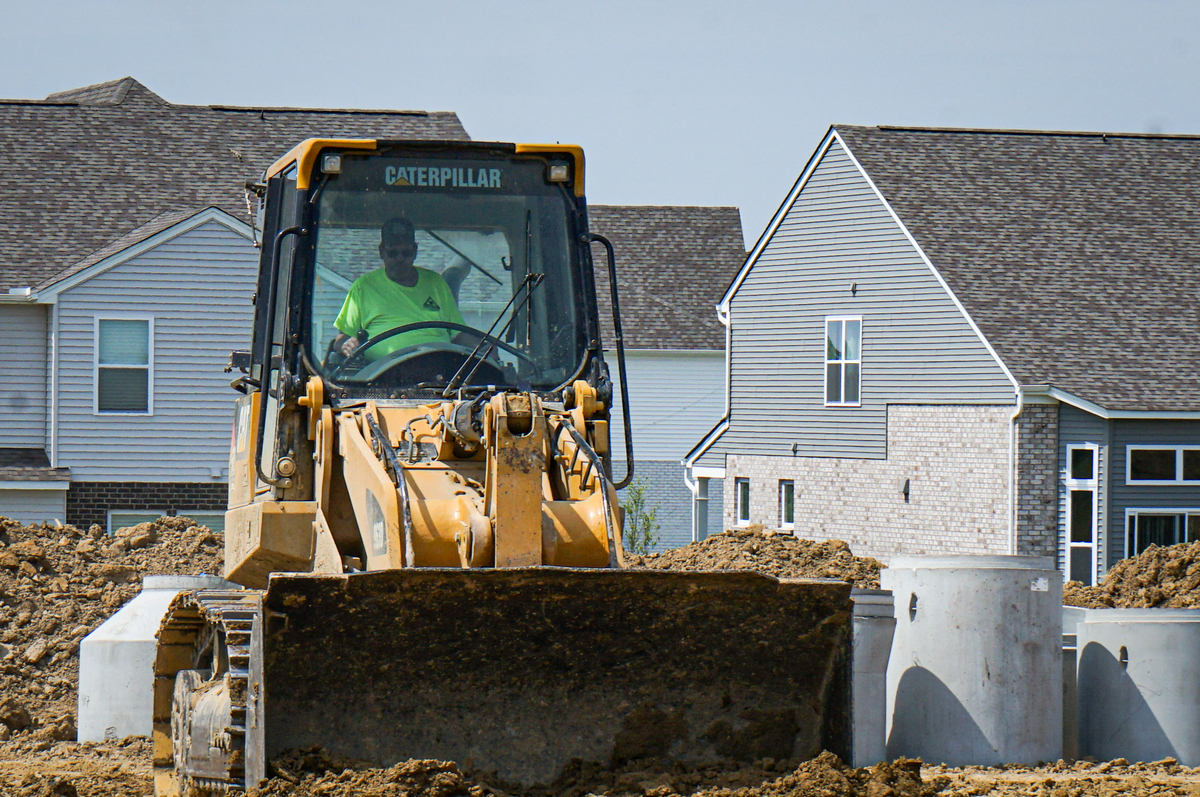
At the end of the day, you can walk the site and see exactly what you accomplished: a curb that's perfectly aligned, a utility line that will serve homes for decades, a road base graded to spec. This creates a direct link between effort and outcome that many careers don't offer. You're not wondering whether your work mattered or got lost in a larger project; you can point to what you built.
That visibility builds confidence and pride in ways that abstract work can't match. The real sense of accomplishment that comes from seeing tangible results isn't just a nice bonus; it's a core part of what makes the career worth doing.
The Mentorship and Knowledge-Sharing That Builds Careers
Construction has a strong mentorship culture where you learn by working next to experienced people who show you how to read grade stakes, operate equipment smoothly, finish concrete right, and fix problems on the fly. This isn't just training; it's how workers feel supported, respected, and invested in.
Mentors take pride in teaching because they want the next generation to do the work right, and they pass along knowledge they spent years building. When a foreman explains why a pour is timed a certain way or a crew chief trusts a newer worker with more responsibility as they prove themselves, that creates both community and confidence.
Charles H. Hamilton builds this kind of culture intentionally, creating an environment where workers are valued and mentorship isn't optional; it's part of how the company operates. Being part of that tradition, both learning and eventually teaching others, becomes another source of pride in the career.
.jpg)
The Stability and Respect That Follow Skill
When you move up in construction, it's because people saw what you could do. No one asks where you went to school or who you're connected to. They ask if you can run the equipment, if you show up, if you do quality work. That creates a different kind of pride because you know you earned it.
That recognition doesn't just feel good; it translates into real opportunity. The industry needed about 439,000 more workers in 2025 to meet demand, with nearly 500,000 more projected for 2026, and around 80 to 90 percent of contractors struggle to find qualified workers. When skilled workers are in high demand, your ability becomes valuable. Wages have grown more than 20 percent since 2021, reflecting how much the industry is willing to pay for people who can do the work.
Many workers enter construction around age 28, often after trying other careers where advancement felt unclear or unfair. In construction, the path is straightforward: demonstrate your ability, and you'll move forward. That transparency creates pride because you're not wondering if you'll get credit for your work or if someone else will take it. You have the opportunity to build a stable career based on what you bring to the job, and there are many reasons this is a good time to start. When respect and advancement follow skill, construction workers know exactly what they've earned, and that's something to take pride in.
Build a Career You Can Be Proud Of with Charles H. Hamilton
Charles H. Hamilton understands what makes construction workers proud of their careers: the skill, the responsibility, and the visible results of quality work. With more than 60 years of experience, the company looks for people who want to learn and build a stable career, offering support and opportunities to advance whether you're starting in an entry-level construction job or developing your skills further.
If you're thinking about how to become a construction worker or exploring construction work opportunities, this is a company that takes mentorship, safety, and quality seriously. Check out open positions at Charles H. Hamilton and see what it looks like to work with a team that values the same things you do. Reach out to learn more about building a career you can be proud of.