
The Skills That Get You Promoted from Laborer to Operator
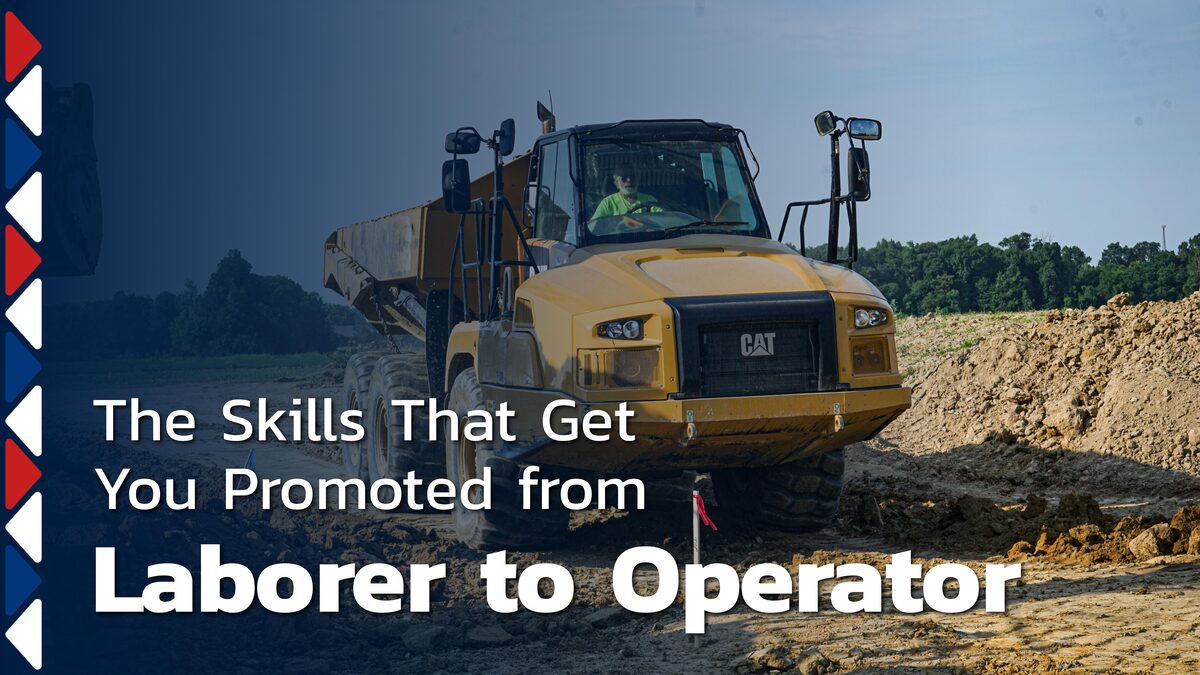
The trackhoe operator on a Charles H. Hamilton pipe crew is usually one of the most experienced people on it. That seat took years to earn. Most of the people sitting in one started right where you are: as construction laborers. The company trains its own operators. That training costs time and money, which is why it goes to people who have already proven themselves.
Here's the encouraging part: the proof comes down to three things you control. Show up on time, try hard, and stay willing to learn something new. This blog covers the daily habits that show the crew you're doing all three, then the ground skills that carry straight into the cab. One of our operators walked this exact path. You'll meet him before the end.
What the Crew Notices About You Every Day
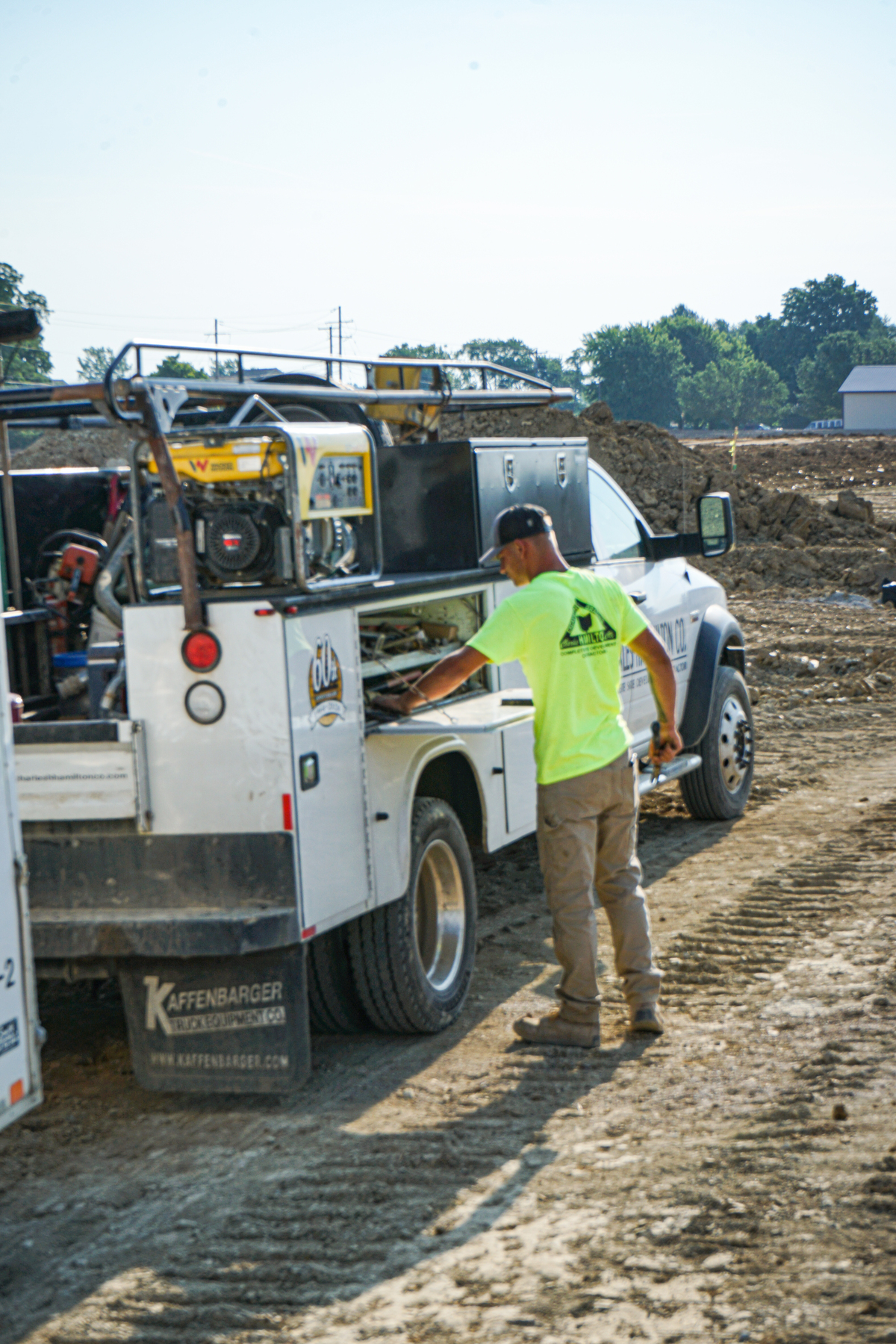
A pipe crew here runs five or six people, so the foreman and the operators work beside you every shift. That means there's no audition day. The people who decide who gets trained already see how you handle the ordinary moments. That's good news, because you don't have to wait for a chance to prove yourself. Laborers who earn the crew's respect early hear about opportunities first.
Take Care of the Tools and the Site Like They're Yours
The morning starts at 7:00 with machine checks and the day's tools coming out. Your share of that routine is the tools, the materials, and the work area. So get the tools out, keep them in shape, and put them back where they belong. Stage the pipe where nobody has to hunt for it, then keep the trench and staging area squared away.
Then comes the judgment layer. If you spot a fluid drip or a worn part on a machine, tell the operator instead of touching it. Noticing a problem without overstepping your scope shows the exact judgment the seat requires.
Watch How the Operator Works
Down moments are training time, because watching the operator teaches you the machine before you ever touch it. Watch how he positions the trackhoe before a dig, how the bucket moves through a full cycle, and how the loading gets timed with the trucks.
There's a reason to study that seat in particular. Its operator carries more experience than almost anyone else on the crew. That makes your down moments free instruction parked twenty feet away. If you're starting to size up heavy equipment operator training, this is where the answer builds.
Ask Your Questions at the Right Time
Good crews welcome curiosity, but timing decides how it lands. Ask on breaks, during natural pauses, or on the walk back to the trucks. Hold your question through any moment when the operator's attention belongs on the machine, like mid-cycle or mid-lift.
The question itself counts too. Asking why the operator took the dig from one side instead of the other shows a working mind. That kind of question teaches you something; an interruption mid-lift costs the crew something. Learning the trade happens one well-timed question at a time.

Ground Skills That Carry You into the Cab
Operator training doesn't start the day you climb into the cab. It started the day you began working around the machines. Most heavy construction equipment operators learn the work on the job rather than in a classroom. The Bureau of Labor Statistics lists on-the-job training as the typical way into the trade. That fits how Charles H. Hamilton hires. You don't need a degree to start this path. Instead, you need the three ground skills below, because how you work the ground decides how ready you are for the seat.
Learn to Read Grade
Grade is the plan for how high or low the finished work sits. The stakes around the site carry that plan, each one marking a cut or a fill: how much dirt comes out or goes in to hit the number. As a laborer on a pipe crew, you already work with grade every day. Checking pipe elevation off the laser is grade work. So is reading what the grade stakes are telling the crew.
Here's the transfer. The operator reads the same stakes and the same numbers from the seat, so a laborer who reads grade is already thinking in the machine's terms. Only the vantage point changes.
Be the Eyes the Operator Doesn't Have
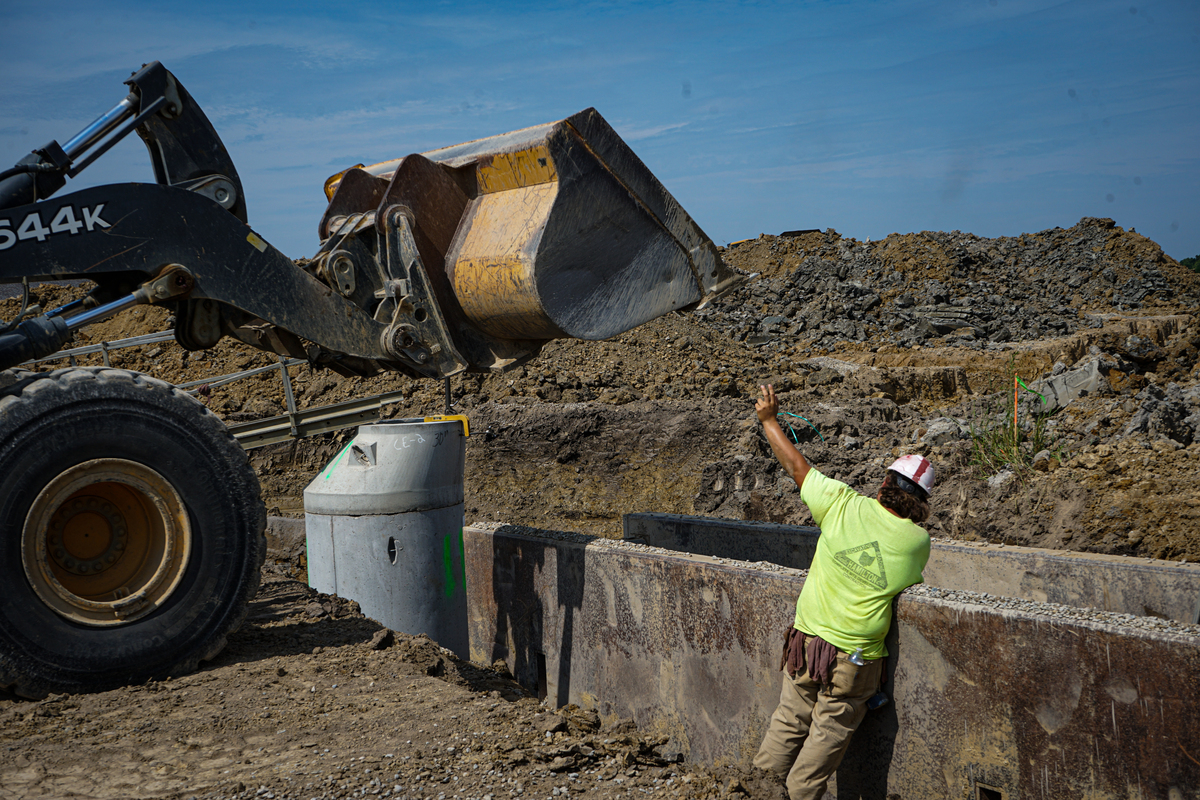
The man on top of the trench works beside a swinging trackhoe all day. Staying safe there is the job itself. That means knowing the blind spots and staying out of the swing radius. It also means signaling clearly enough that the operator never has to guess.
Spotting for heavy equipment builds three operator instincts at once. Clearance judgment, blind-spot awareness, and clean communication all ride along into the cab. Operators respect the laborer who has them, because a crew that works safe keeps the jobsite moving.
Understand What the Machine Is Trying to Do
The last skill ties the other two together. A trackhoe works in a rhythm of dig, swing, dump, and return. A laborer who reads that rhythm works with the machine instead of around it. You anticipate the next bucket and know where the spoil goes. By the time the trench is ready for pipe, the pipe is already in your hands.
The payoff runs in both directions, because the trench keeps moving while you stay safe inside it. Laborers and operators hold different jobs; this skill is where the two start to overlap. It's what proving you're ready looks like from inside the work.
Jason Started as a Laborer. He Runs the Trackhoe Now.
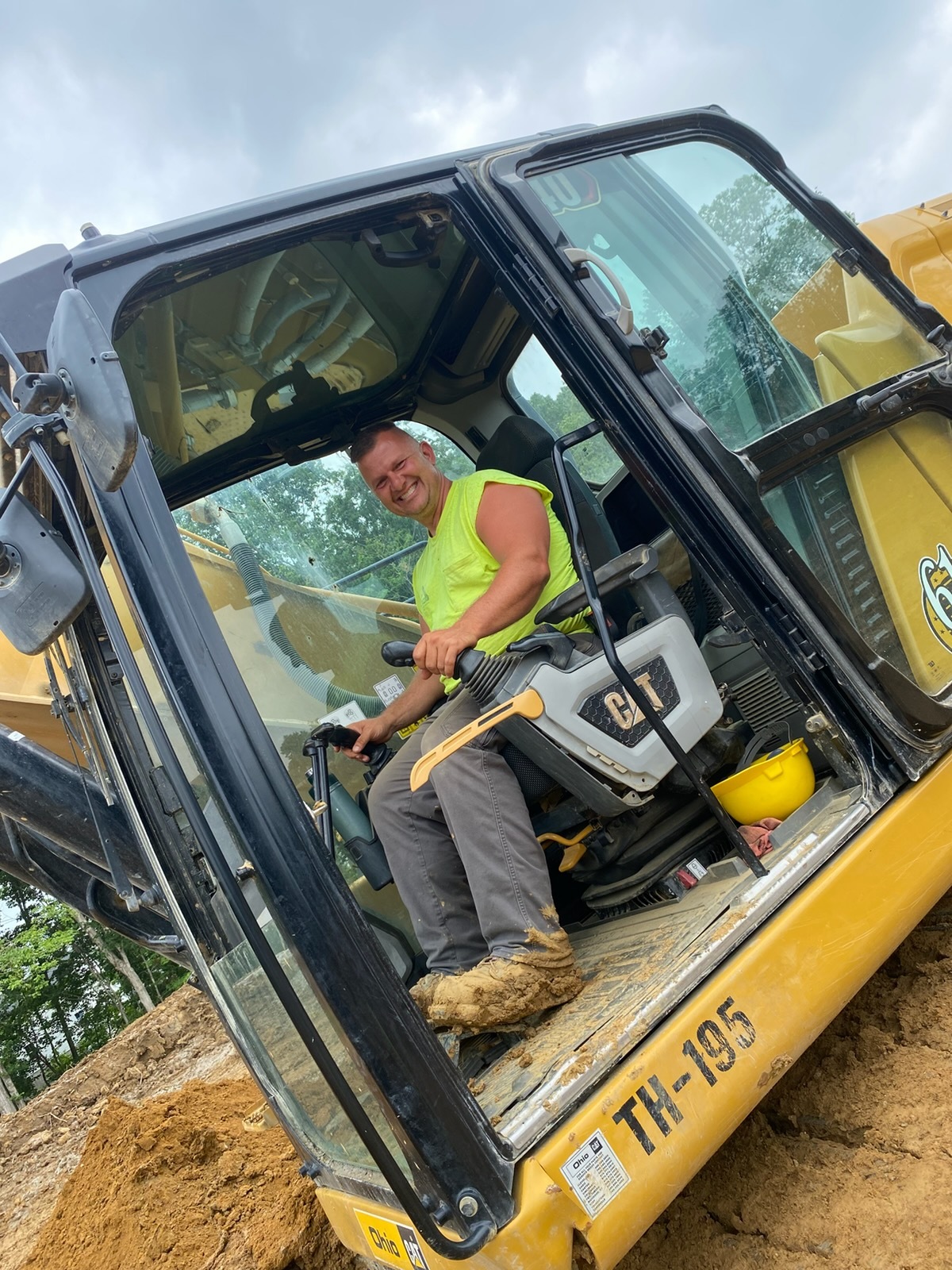
Jason Fulmer started at Charles H. Hamilton as a laborer. He proved himself. The company answered by moving him onto the wheel loader. From there he earned the trackhoe seat on a pipe crew. That crew installs sanitary sewer, storm sewer, and water mains and taps. You already know what that seat means. Jason earned it the way this blog describes: on the ground first.
He's 22 years in now. He says Charles H. Hamilton is a great company to work for and that he feels well taken care of. Staying 22 years with one construction firm backs those words up.
Ready to Start? Charles H. Hamilton Is Ready to Teach You.
The path into the operator seat begins with a laborer job done well. Show up on time, work hard, and stay willing to learn something new where the crew can see it. Charles H. Hamilton puts training behind people who do, because the company builds its operators instead of waiting to hire them. The work also comes with health, vision, dental, and disability insurance, plus a 401(k) with match, paid vacation, and paid holidays.
You now know what the crew notices and which ground skills carry into the cab. The next move is yours. Apply today to build your career with Charles H. Hamilton.