
The August Field Guide for Southwest Ohio Site Developers
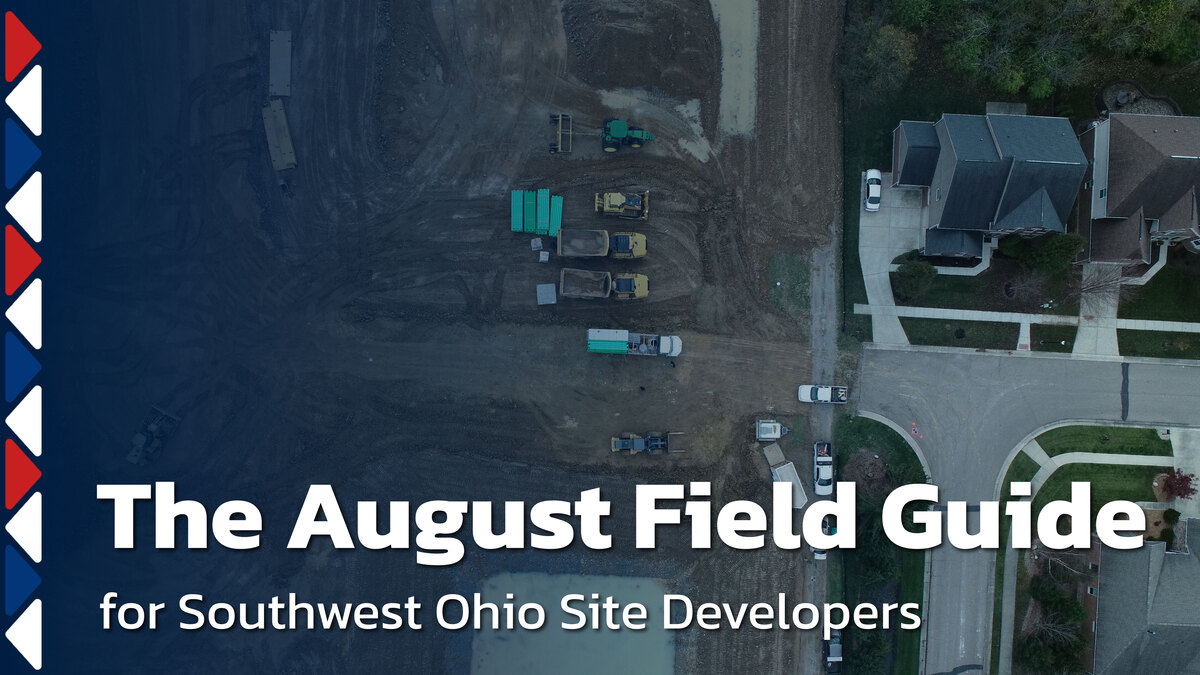
Every August, a developer stands over a set of plans and asks whether it's too late to start this year. It isn't. You've still got weeks of working weather left in Southwest Ohio. A site can move a long way before the cold sets in.
So the call in front of you isn't whether to start. It's how to sort the work you're holding. Every piece of your scope falls into one of three piles. Some of it you can bank this year and put behind you. Some you can start, but only if you can button it up before the freeze. And some you hold for spring on purpose, because pushing it into November costs more than waiting.
Making that sort is the part a generalist gets wrong. He watches the calendar run down and reacts to it. A crew that has worked this construction season for years reads it instead and plans against it. This guide gives you that read, so you make the August call with a plan and not a hunch.
Sort Your Scope, Trade by Trade
Your site doesn't run on one deadline. Each kind of work runs out of season at its own time. The trick is matching the work to the weeks it still has. So you don't sort the whole project at once. You sort it trade by trade. The entries below tell you where each one lands.
Your Earthwork: Start It Now
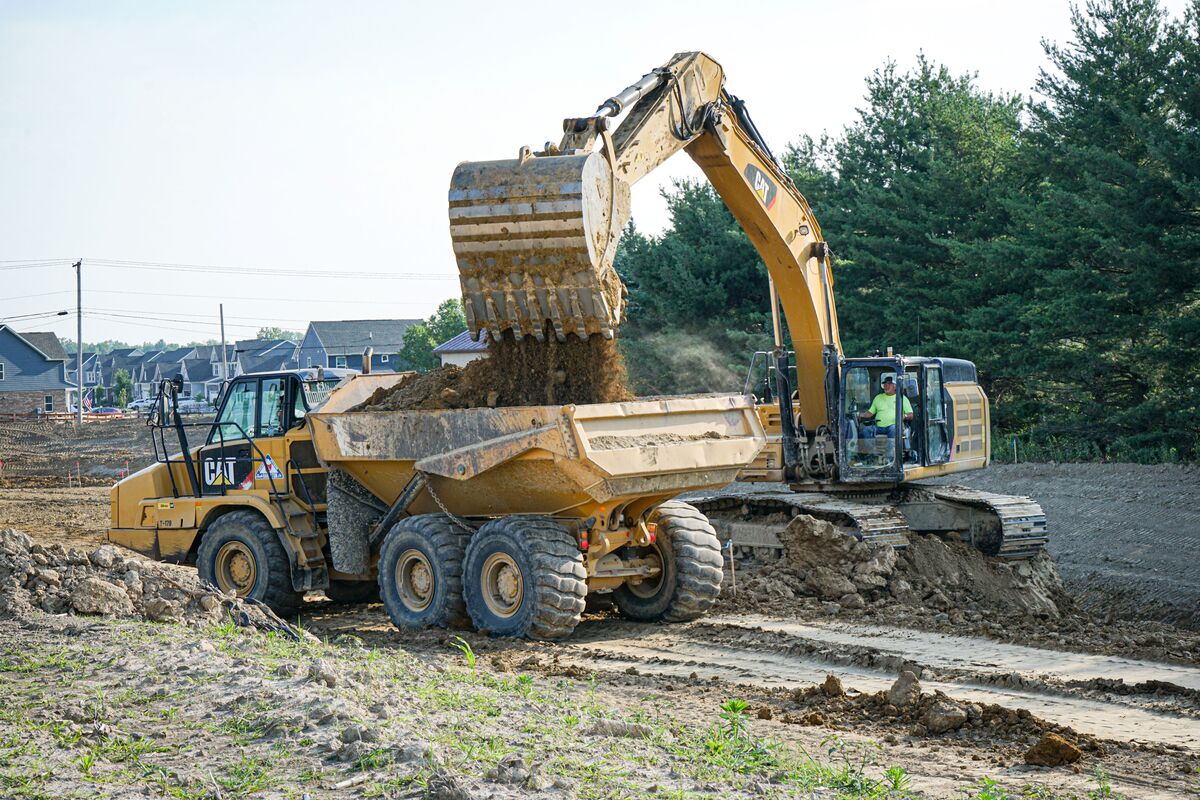
Start your earthwork now, even though it's the most forgiving work on your site. Mass excavation, clearing, and structural grading can be done on cool, damp days that would stop a pour, so it could run later in the year than anything else. You still start it first, because nothing else can begin until it's done. You grade before you lay pipe, and you lay pipe before you pour. Every week the dirt sits idle is a week stolen from the concrete behind it, and the concrete has far less season to give. Get the earthwork moving first, and the tighter work downstream still has the weeks it needs.
Your Utility Trenches: Run Them, But Don't Let Them Sit
You can run storm and sanitary deep into the fall, as long as you never leave a trench open overnight. Open the segment, lay the pipe, backfill it, and compact it the same day you dig it. Hold that and your late pipe work stays in the bank pile.
Leave that trench open through a freeze, though, and it stops being progress. The walls slump, water pools in the bottom, and the soil loses the strength that kept the cut standing. So plan the run tight, and never let your crew open more than they can close before they leave.
.jpg)
Your Concrete and Paving: The Tightest Window on the Site
Concrete and paving run out of season before anything else, so give them the least margin in your plan. A fresh pour needs warmth held on it for a few days to reach strength. Inspectors in this corridor watch cold pours closer than most people expect.
Paving closes even earlier than the pours. The asphalt plants around here switch to winter work by late fall. The base needs warmer ground under it to compact right.
None of this puts cold-weather concrete out of reach. A crew that knows how to adjust the mix and protect a fresh pour can keep placing concrete after the weather turns. That skill is the same temperature control that protects a pour in summer heat. So the question isn't the date on the calendar. It's whether you've got that crew. If you don't, hold this work for spring.
Trench, Subgrade, and Grade: The Three That Can't Winter Over Open
Most of your site can sit through winter and start back up fine in spring. Three things can't. An open trench, bare subgrade, and ungraded ground all turn into repair bills if they freeze before you finish them.
Bare subgrade is the one that costs the most. It soaks up winter rain and snowmelt, gives up the compaction you paid for, and heaves when the frost gets into it. Come spring you undercut or stabilize the whole area before you can build, so you're paying to do ground you already did.
Ungraded ground costs you a different way. It won't shed water, so the runoff cuts across the site and carries silt straight into the lines you just laid. Ohio's trench safety rules already call for shoring and inspection on an open cut. A freeze only raises the stakes on leaving one.
So the rule for this pile is plain. Start these three only if you can close them out, or get them winter-safe, before the cold. Then sequence the season so you're never caught holding one open.
Your Crews and Supply: Lock Them This Week
The thing that tightens first in August isn't the weather, it's the crews and the supply. The good subcontractors book their fall calendars now. The concrete and asphalt windows fill the same way. By late September, the ones worth having are spoken for. Call in October and you aren't picking a crew, you're taking what's left.
So lock your crews and your material dates this week, even for work that won't break ground for another month. The commitment on paper now is what protects the back half of your season.
Your Fall Inspections: Confirm the Timing Now
Check your late-season inspection timing now, because year-end approvals run slower than you'd think. Inspectors and permit offices have their own push to close before winter, so a sign-off that takes a few days in June can stretch out in November. If your sequence leans on a late-fall approval, pull that date now and confirm it, so a permit office isn't the thing that strands your site over the winter.
What Getting the Sort Wrong Costs You
A bad August call doesn't show up in August. It shows up as a bill in December, then another one in spring.
Force a finish into cold weather and you pay for it twice. First comes the cold-weather premium, the heating and the cover. Then comes the redo, when the finish cracks or fails inspection and you pour it again.
Leave a trench or subgrade open through a freeze and you pay to fix ground you already worked. The repair is undercutting, stabilizing, and re-compacting, all of it on dirt you graded once already. Lose your crew to a late booking and you pay again to demobilize and bring them back when the work finally lines up.
None of these are the cost of the work itself. They're the cost of putting a piece of the scope in the wrong pile. And every one of them traces back to a call you could have made in August.
Plan the Season with Charles H. Hamilton
The sort reads clean on paper. Reading it against this corridor is the hard part. You only learn a corridor like this by working it for years. You learn where the supply runs short, which crews book up first, and how the weather really moves between Cincinnati and Dayton.
Charles H. Hamilton has run it for more than six decades for developers across Southwest Ohio. The ones who finish clean made these calls back in August, while they still held the pen on their own season. Bring us your site and your timeline. Contact us to schedule your consultation.