Is Construction Hard on Your Body? Let's Take a Closer Look
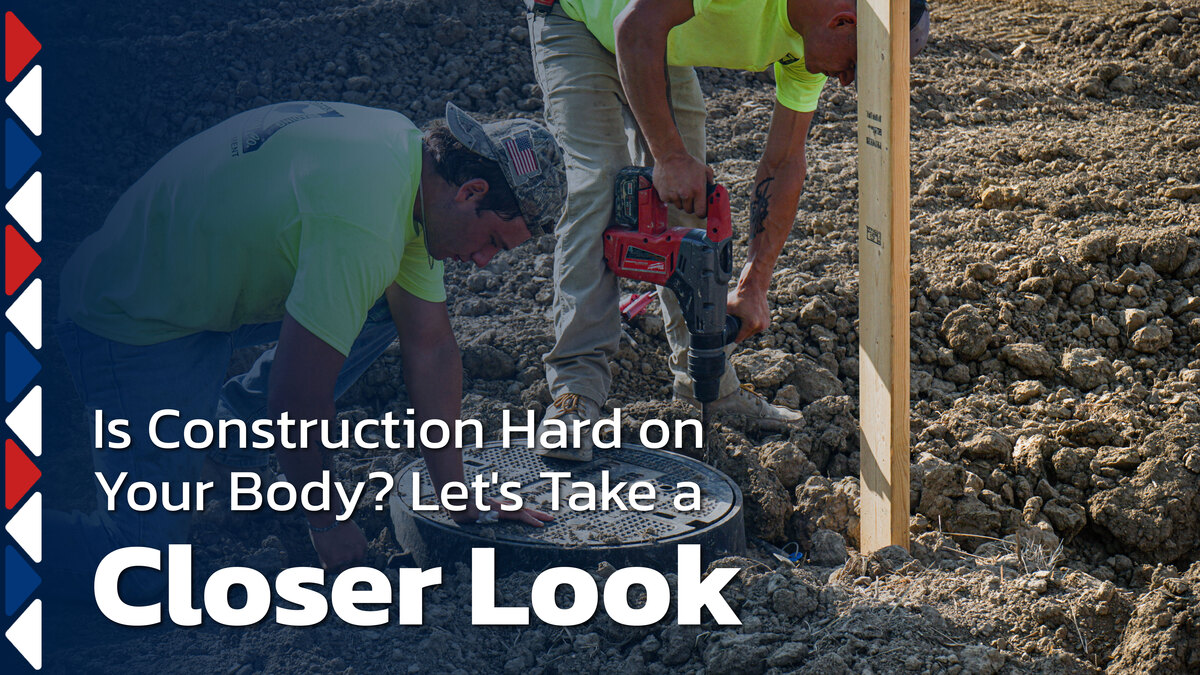
You're weighing a job in construction, with one worry probably sitting under the rest: that the work will wear your body down over the years. That's a fair question to sit with, because this is a career and not a summer job. So here's the straight answer. The work is hard on your body. Anyone who tells you different is selling you something.
But how hard it is on you over the long run comes down to how you work. And that part you can learn. What follows is a straight look at what the job asks of your body, and at what separates the people who last from the ones who burn out.
Yes, the Work Is Demanding. Here's What the Numbers Say.
Start with the injury data, because you can look that up in a minute. The most common non-fatal injuries in construction come from overexertion and muscle strain. Back injuries top that list. Those are industry averages from CPWR, a group that tracks safety numbers across the trade. None of that should surprise you. The work has you lifting heavy loads, twisting to set them down, and holding awkward positions longer than your body likes. That's where most of the strain builds, and the back takes the worst of it.
So the part of you that you'd worry about first is the part the data points to first. That's the easy half of the answer. The harder half is what keeps a person working in the trade for decades.
You don't start in shape. The work builds you into it.
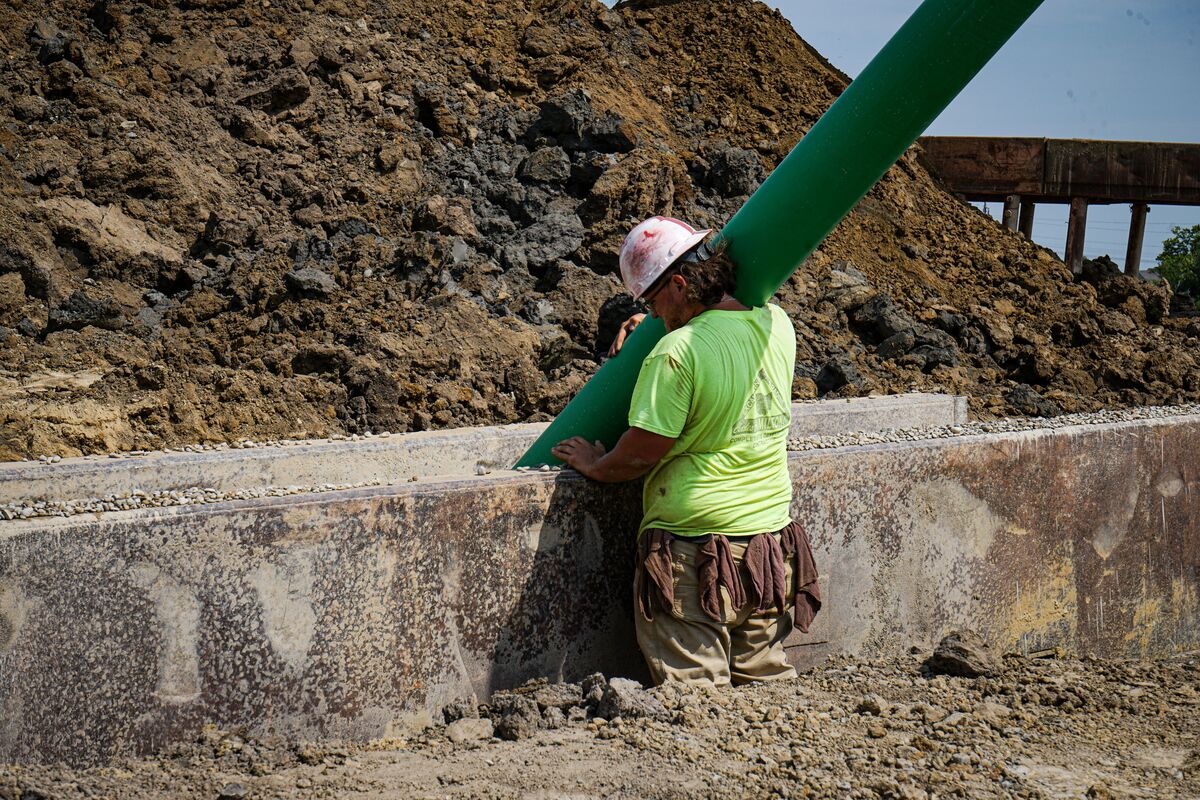
Here's the part that should ease the worry if you came off a desk job. You don't show up in shape. Instead, the work puts you in shape. Your first week will wear you out. Your hands, your legs, and your lower back will all let you know about it. By week six, though, the same day's work leaves you with something in the tank. Your body adapts to the demands you put on it. That happens in weeks, not months.
The adaptation goes faster when you help it along. Sleep enough, eat enough, and drink more water than you think you need, because a body that's fed and rested rebuilds faster than one running on fumes. So, you don't need to be strong before you start. You need to show up, work at a pace you can hold, and give your body time to catch up to the work.
Those first weeks come with soreness. It comes in two kinds. Telling them apart is a skill worth picking up early.
Soreness Versus Something Worse
Here's how the guys who've done this a while read their own body. Good soreness is dull and spread out. You feel it the first week or two, and it eases once you move around, drink water, and stretch. Bad soreness is a different animal. It's sharp. It sits in one spot. It does not let up when you rest or move. Swelling or numbness puts it in that same group. That kind is the one you speak up about instead of pushing through.
Speaking up early is how you keep a small tweak from turning into lost time. Tell your foreman the day it starts, not the week it gets bad. The average muscle injury keeps a worker off the job about 15 days, according to Safety and Health magazine. That runs longer than the average for other injuries on a site. So, a quick word on Tuesday beats two weeks off the job.
Technique Outlasts Strength Every Time
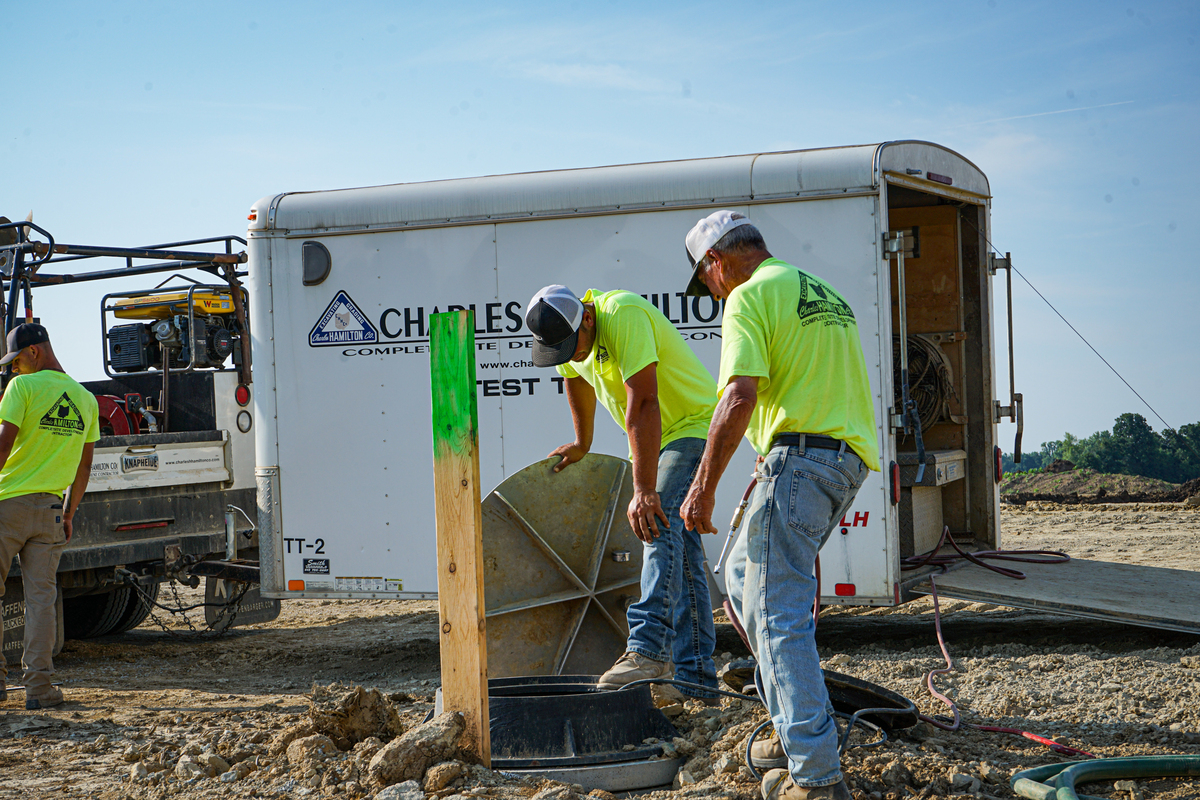
Now for the part that actually answers your question. Strength is not what keeps you in this trade. Technique is. And technique is a short list of habits you can start building your first week. None of them takes strength, and all of them keep the work from wearing on your body the way it would otherwise.
- Lift with your legs and keep your back straight. This sends the weight through the parts of you built to carry it, not through your spine.
- Get your feet set and test the weight before you commit to a lift. The load that's heavier than it looks is the one that hurts you.
- Turn with your feet instead of twisting at the waist. Twisting under a load is one of the fastest ways to put your back out.
- Let the machine haul whatever it was bought to haul. The weight you hand off to a loader is weight your body never has to absorb.
- Grab a second set of hands when a load is too much for one person. A team lift takes ten seconds; a strained back takes ten days.
You don't have to be the strongest guy on the crew to do any of it. It takes attention, and a little of it goes a long way. That's what working smart looks like, and the crew notices who does it.
The habits feel like extra steps your first week. By your second month you stop noticing you do them, and that's the point. The worker who builds them in early is the one with something left at the end of a ten-hour day, and the one whose back still works on a Friday years from now.
Build a Long-Lasting Career with Charles H. Hamilton
So that's the closer look. The work is demanding, but your body grows into it over the first few weeks. After that, the people who last are the ones leaning on technique, not muscle. There's one more piece, though, and it's the part you don't fully control. Working smart only protects you if the crew lets you. The National Safety Council found that 58% of construction workers felt safety came second to getting the job out. So the company you sign on with decides whether those habits survive the schedule.
That's the part worth getting right. A crew that builds safety into the workday is the one where your technique actually holds up, and it's also where the work goes somewhere. Most equipment operators started on the ground. They worked smart, learned the machines, and earned their way into the cab. At Charles H. Hamilton, laborers are encouraged to make that climb.
The question was never really whether construction is hard on your body. It is. The question is how you work, and who you work for. If you want a crew that trains you to protect your body while you build a career, apply today to build your career with Charles H. Hamilton.