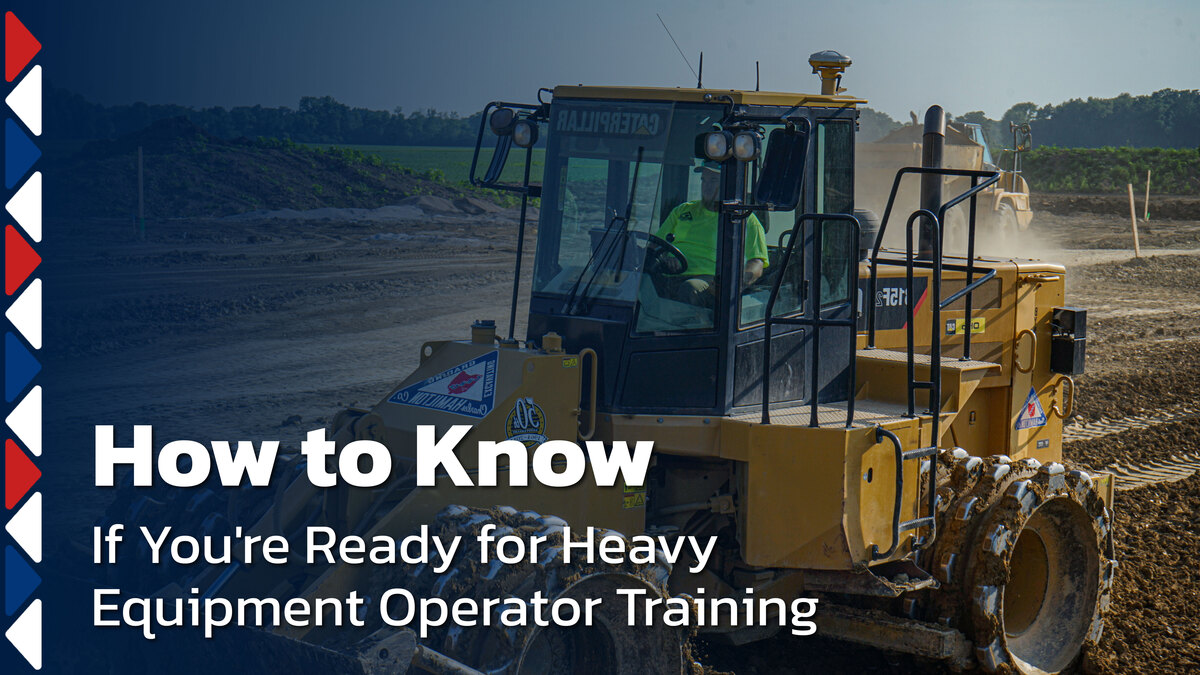
How to Know If You're Ready for Heavy Equipment Operator Training
You've been working construction for a while now, and you see the equipment operators on site every day. You've started wondering if you could do that work. It looks like a different skill set, maybe a path to advance your career, but you're not sure if you're actually ready.
This blog helps you figure that out. The eight signs below work as a self-check. If you're showing these patterns in your current role, you're likely ready to succeed in operator training. This isn't about being perfect; it's about seeing what you're already doing that proves you're ready for the next step.
1. You Handle Physical Demands Without Breaking Down
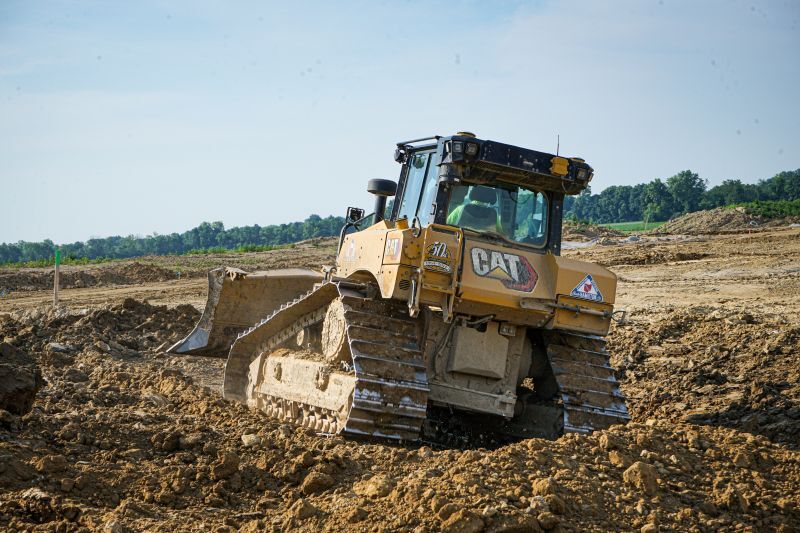
You already know construction work is physical. But operating heavy equipment has different demands than general labor. Around 55% of heavy equipment operators report back pain from poor positioning. Overexertion causes about 35% of workplace injuries.
Why? Operators sit for long hours while the machine shakes constantly. They make the same control movements over and over. They climb in and out of cabs. They turn their necks to check what's around them. Their bodies take a beating in ways that are different from swinging a shovel or carrying materials.
Here's the self-check: Do you finish shifts without being totally wiped out? Do you recover well between workdays? If you're already handling the physical demands of labor work day after day, you're likely ready for what operator work requires.
2. You Notice Details Others Miss
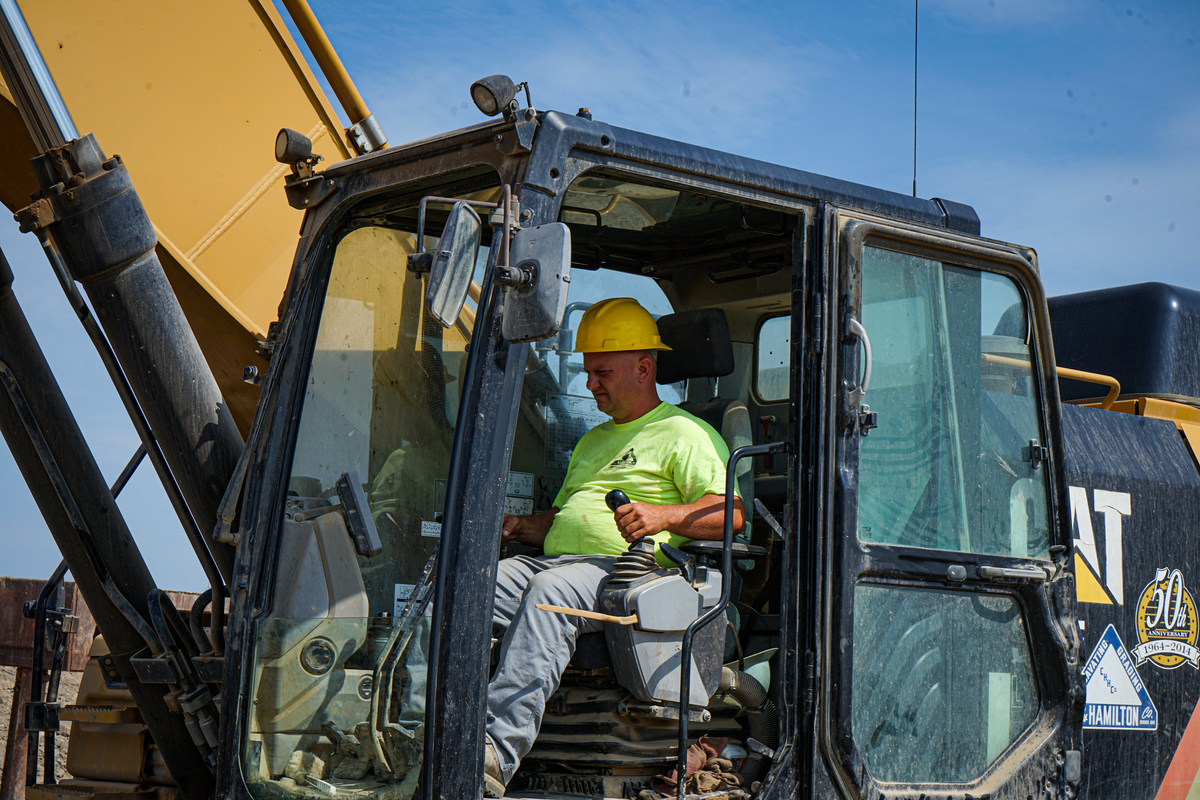
Heavy equipment operation isn't just about moving dirt or digging trenches; it's about precision. Operators constantly check grade, depth, clearance, and alignment. A small mistake can damage underground utilities, mess up the site, or create safety problems.
Think about your current work: Do you catch measurement errors before they become problems? Do you notice when something's off, maybe a form that's not level or a trench wall that's starting to shift? Do you stay focused during repetitive tasks instead of zoning out?
If you spot issues before the foreman does, you're showing the awareness operators need every day.
3. You Think in Three Dimensions
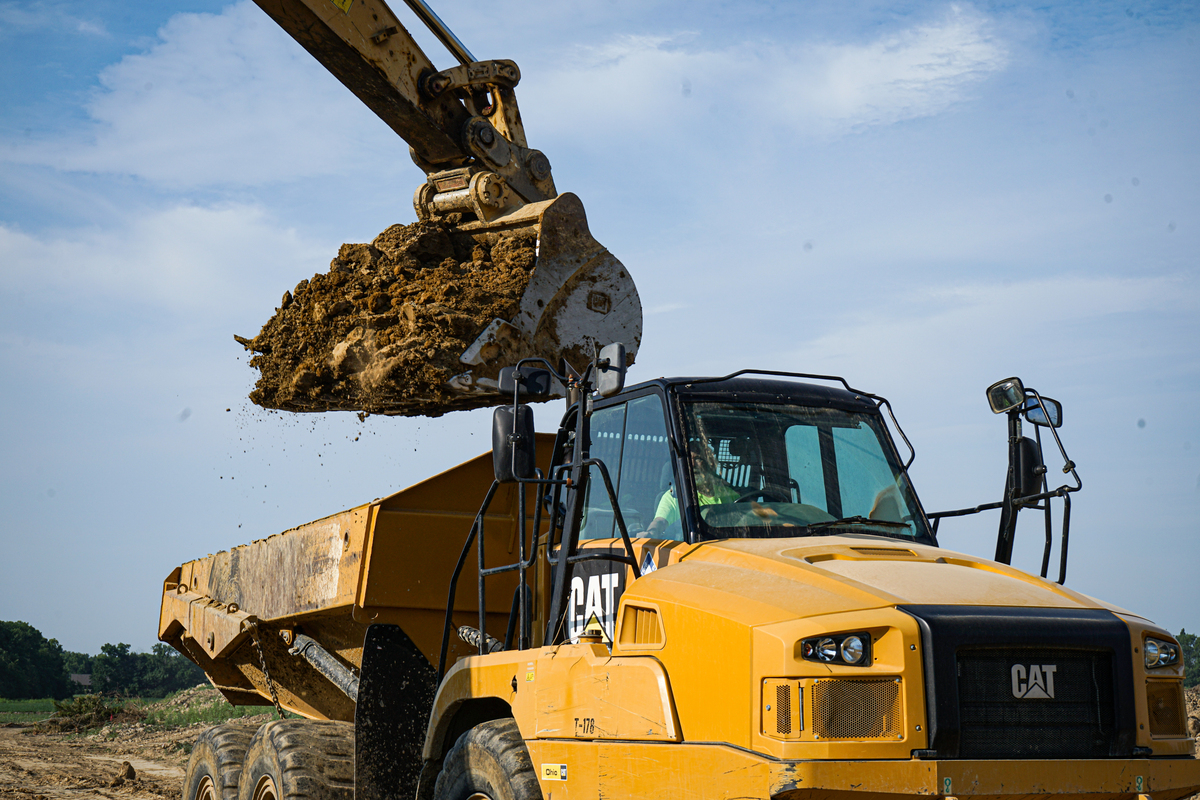
Spatial awareness means you can picture how equipment moves. You see it around terrain, buildings, and other workers. Operators need to judge how much space they have, guess at angles, and think ahead about how a load will move. All while controlling a machine that weighs tens of thousands of pounds.
Look at your current role for examples: Can you eyeball measurements and get close without constant rechecking? Do you visualize how materials will fit before moving them? When you're digging or grading by hand, can you picture the finished grade in your head?
If you work well in three dimensions with hand tools, you're building the base for equipment operator work.
4. You're Comfortable with Technology
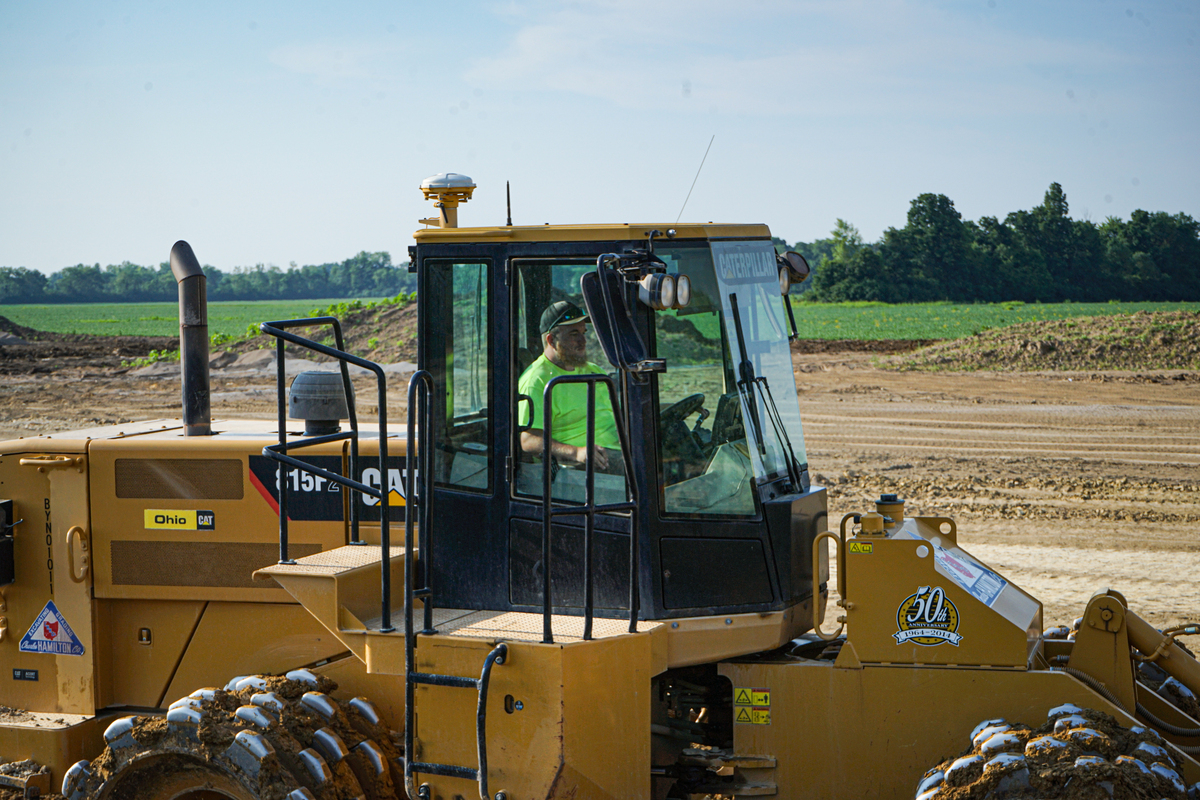
You don't need to be a tech expert, but modern heavy equipment uses GPS, grade control systems, and telematics. About 44% of construction companies plan to use more AI, which means more technology is coming to the job.
Ask yourself: Are you comfortable using smartphones or tablets? Do you ask questions when learning new tools? If you're open to learning and not scared of screens and controls, you're ready for the tech side.
5. You Show Up Consistently and Follow Through
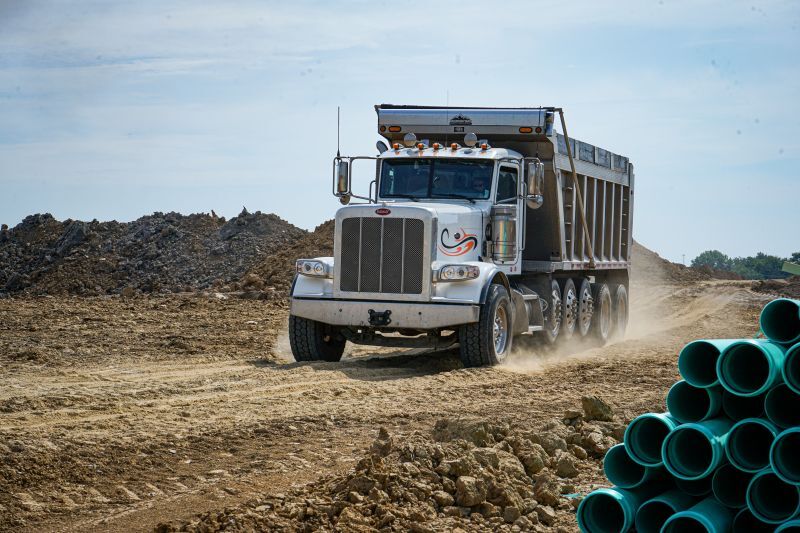
Operators are critical path workers. If the excavator operator doesn't show up, the entire crew sits idle. If an operator rushes or cuts corners, they can damage equipment worth hundreds of thousands of dollars or cause injuries.
Think about your track record: Are you the person your crew counts on? Do you finish what you start? If yes, you're showing the work habits operators need.
6. You Put Safety First, Even When It's Inconvenient
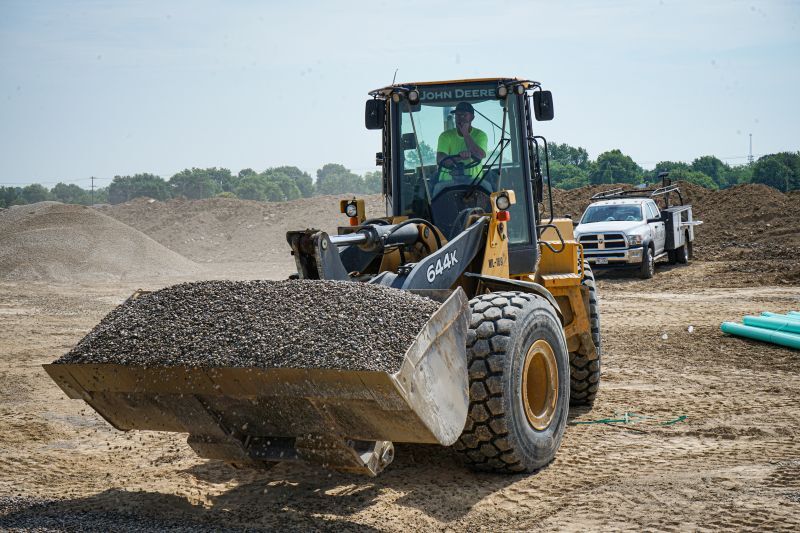
Around 36% of struck-by injuries on construction sites involve heavy equipment or vehicles. Operators control machines that can kill someone in seconds if they're not paying attention or following the rules.
A safety-first mindset isn't just about wearing PPE. It's about speaking up when something doesn't look right. It's about taking time to check equipment before your shift. It's about choosing safe work over fast work. OSHA requires training to cut down on accidents and equipment damage.
Check your own behavior: Do you follow safety rules even when no one's watching? Do you call out hazards instead of waiting for someone else to handle it? If you treat safety as non-negotiable, you're ready for the responsibility operators carry.
7. You Ask Questions and Want to Understand Why
You don't need to be a mechanic, but operators do better when they understand the basics of how things work and they're curious about it. The best operators ask questions, watch workers with more experience, and want to know the "why" behind what they do, not just follow orders.
Look at your own learning style: Do you ask questions when something doesn't make sense? Do you pay attention when more experienced workers explain techniques? If you learn from people around you, you're showing the attitude that makes operator training successful.
8. You're Thinking Long-Term, Not Just About the Next Paycheck
Heavy equipment operator roles are an investment for both the worker and the company. Training costs time and money, so companies want operators who see this as a career path, not just a way to make a few extra dollars before moving on. That's part of why people love working in construction; it offers real career growth when you're committed.
The job outlook supports this approach. Construction equipment operators are expected to see 4% growth through 2034. That means around 46,200 job openings each year, mostly because workers are retiring. Operators who commit to the work and continue developing skills are positioned for long-term stability.
Ask yourself: Are you thinking about where you want to be in five years? Are you interested in skill growth and certifications, or are you just looking for clock-in/clock-out work? If you approach your current role with a growth mindset, you're ready for the commitment operator work requires.
What to Do If You're Not Quite Ready Yet
Not everyone's ready immediately, and that's okay. Readiness can be developed. Here are concrete steps you can take in your current role:
- Help out with tasks near the equipment: set up grade stakes, help with equipment checks, move materials near machines
- Shadow operators during breaks and ask questions
- Pursue safety certifications like OSHA 10 or first aid
- Work on physical conditioning, focusing on core strength, stamina, and flexibility
- Most importantly, demonstrate reliability and attention to detail in your current role
We value workers who take initiative to prepare themselves. Building readiness now positions you as a strong candidate when you do apply.
Start Your Operator Career with Charles H. Hamilton
Charles H. Hamilton values prepared, career-focused operators and invests in long-term growth. We've been in business for over 60 years, and we prioritize quality, safety, and worker development.
Whether you're ready to apply now or building readiness first, we support operators at every stage. We look for workers who are reliable, put safety first, pay attention to details, and want to learn.
Ready to take the next step? Check out open positions and learn more about how we support operator training and career growth. Have questions before applying? Contact us to learn more about opportunities in equipment operation.