How to Choose the Right Site Development Partner Before You Sign the Contract
How to Choose the Right Site Development Partner Before You Sign the Contract
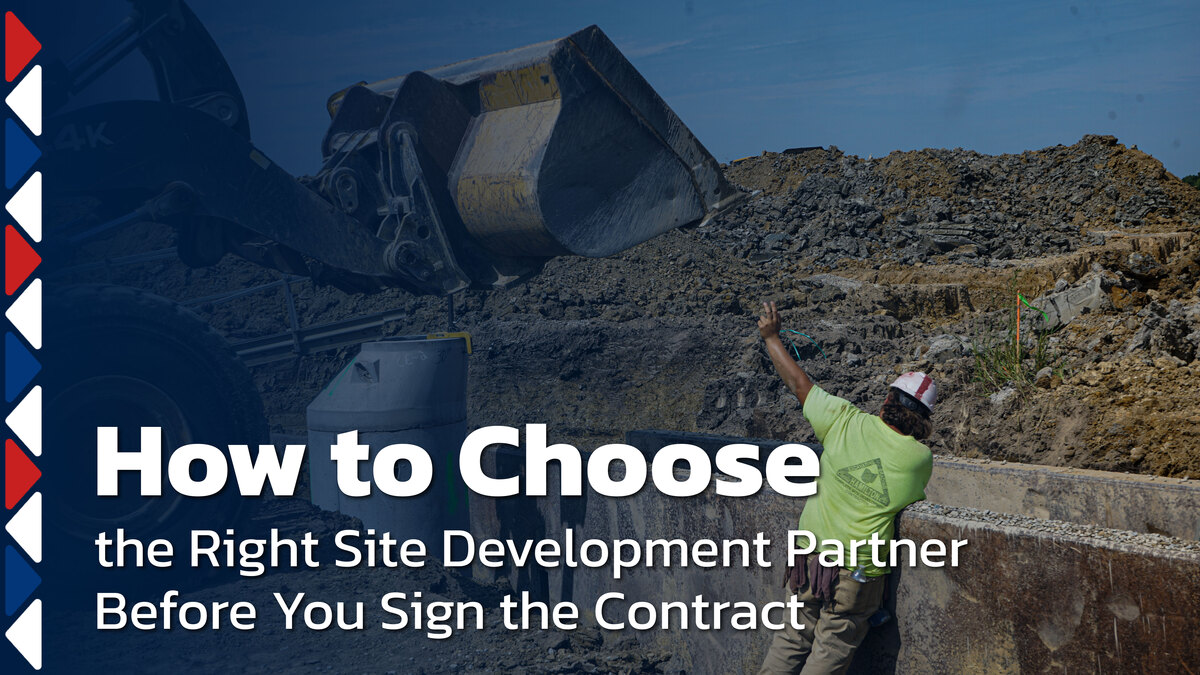
Choosing a site development partner based on price alone often leads to delays, rework, and unexpected costs that surface after construction begins. The lowest bid looks attractive until the contractor disappears when soil conditions change, or coordination breaks between trades.
Many buyers do not know which questions expose planning discipline, coordination strength, and field experience before signing a contract.
This blog provides a structured set of questions that help you evaluate partners based on process, experience, and accountability.
Start with Experience That Matches Your Project Type
Not all site development experience transfers cleanly across project types. A contractor who excels at small residential subdivisions may lack the coordination skills needed for phased commercial sites with multiple utilities and strict timelines.
Projects Delivered at Similar Scale
Ask for examples that match your site size, utility complexity, and phasing requirements. A contractor who has managed similar projects understands the challenges you'll face and knows how to sequence work without creating conflicts.
Multi-Phase and Multi-Trade Coordination
Experience coordinating excavation, utilities, concrete, and paving under one plan matters. When one contractor manages multiple scopes, handoffs stay clean and accountability remains clear.
Ask how they structure communication between trades and who manages the overall sequence. Strong answers describe clear processes rather than vague assurances.
Evaluate Planning and Preconstruction Process
Early planning often determines success long before field work begins. Contractors who review plans carefully during preconstruction catch conflicts that would otherwise create expensive delays during construction.
Constructability Review Process
Experienced contractors review civil plans for drainage challenges, verify utility depths against proposed grades, and flag coordination issues before mobilization. Ask what they look for during plan review and how they communicate findings to engineers.
Coordination with Engineers and Municipalities
Clear ownership prevents delays tied to approvals, inspections, and revisions. Confirm who handles this coordination and how they keep the project moving when agencies respond slowly or require adjustments.
Examine Schedule Management and Risk Planning
Site development involves variables that require active management, not reactive fixes. Weather, soil conditions, and material availability all affect timelines. Strong contractors plan for these variables instead of treating them as surprises.
Weather and Soil Contingency Planning
Listen for evidence of contingency planning and alternate scopes. Experienced contractors build weather playbooks that define when to pause sensitive work and what crews do instead. They account for seasonal soil conditions and build flex time into schedules without padding estimates.
Progress Tracking and Real-Time Adjustments
Ask how often they measure progress, how they verify work against plans, and how quickly they adjust when conditions change. Contractors who wait for weekly meetings to address issues let small problems grow into major delays.
Assess Quality Control Standards
Quality in site work shows up years later through drainage performance, pavement life, and structural stability. Shortcuts during excavation and backfill create problems that owners pay to fix long after the contractor leaves.
Grade, Compaction, and Utility Verification
Ask how they verify elevations, test compaction, and confirm utility installations meet code requirements before backfilling. Strong contractors describe specific testing protocols and explain how they document results for inspectors and owners.
Prevention of Rework Between Phases
A concrete crew should never arrive to find subgrades that weren't properly compacted. A paving crew should never discover curbs placed at the wrong elevation. Ask how they verify work before handing off to the next phase.
Verify Communication Systems and Decision Authority
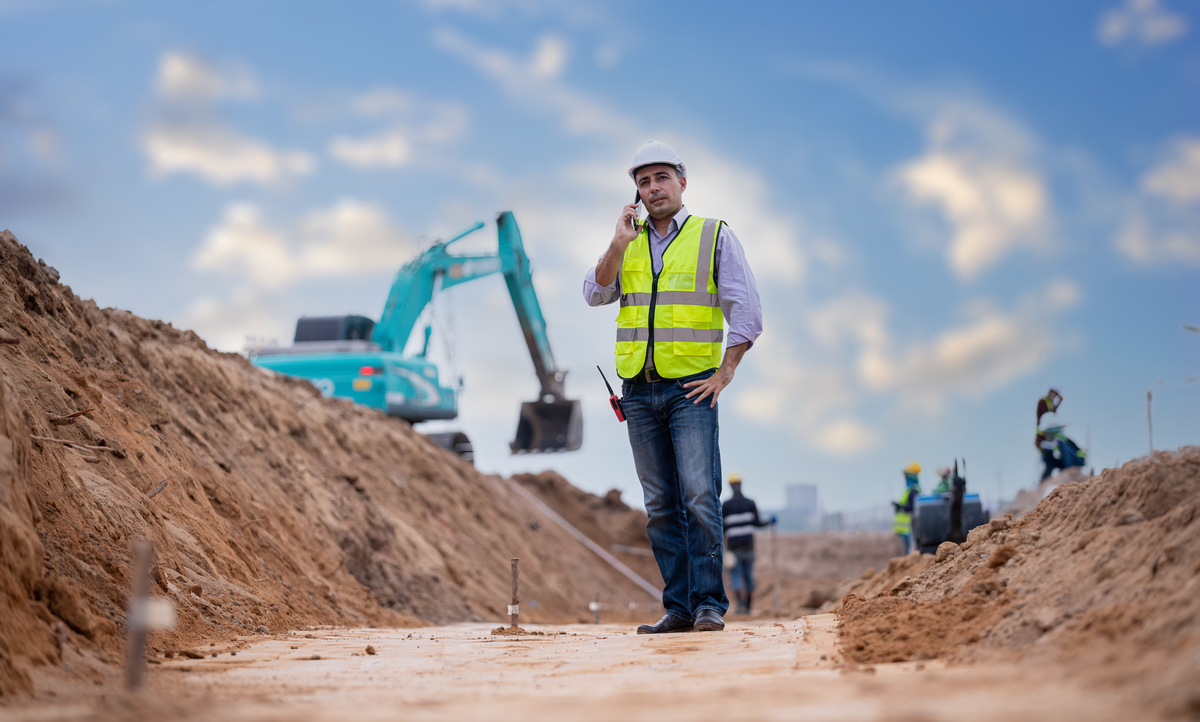
Confusion around who decides what causes costly delays. Field conditions change constantly on-site development projects. Experienced leadership must have authority to make decisions without waiting for approvals that slow momentum.
Field Decision-Making Authority
Ask who stays on-site daily and what authority they have to adjust work when soil conditions differ from expectations or when utilities conflict with plans. Contractors who require home office approval for minor adjustments create unnecessary delays.
Owner and Team Communication Standards
Ask how often they communicate progress, how they document changes, and how they handle issues before they become emergencies. Contractors who communicate only when problems arise leave owners guessing about project status.
Confirm Safety, Staffing, and Equipment Standards
Safety and preparedness directly affect productivity and reliability.
Crew Experience and Staffing Consistency
Experienced operators know the equipment, understand the standards, and work efficiently without constant supervision. Ask how long crew members have worked for the company and how they maintain staffing continuity. High turnover signals internal problems that will affect your project.
Equipment Maintenance and Selection
Well-maintained equipment supports accuracy and schedule control. Ask about their equipment fleet, maintenance schedules, and how they select machines for specific site conditions.
Analyze Bid Structure and Change Management
The lowest number rarely reflects the true cost of a site development project. Bids that exclude critical assumptions or skip contingencies create change orders later.
Bid Assumptions and Exclusions
Ask what the bid assumes about existing grades, material haul distances, and utility conflicts. Vague bids leave room for costly changes once work begins. Detailed bids demonstrate that the contractor reviewed plans carefully and understands the scope.
Change Order Process and Project Continuity
Site conditions rarely match plans perfectly. Ask how they document changes, price adjustments, and manage approvals without stopping work. Contractors who treat every change as a crisis slow projects and damage relationships.
Choose a Partner Who Takes Ownership from Start to Finish
The right site development partner leads planning, execution, and coordination with accountability. They answer tough questions with specifics rather than generalities. They take responsibility for outcomes instead of blaming conditions or other trades.
At Charles H. Hamilton, we welcome these questions and answer them with clarity grounded in decades of field experience. We plan projects carefully before equipment arrives. We coordinate trades without leaving gaps. We communicate clearly and solve problems without creating drama.
If you're evaluating site development partners and want straight answers before signing a contract, start a conversation with us here!