
Why Your Cheapest Bid Might Be Your Most Expensive Decision

Every developer has taken a low bid at least once. Most of them can tell you exactly which project taught them to stop. So what did that contractor leave out of the number to land so far below the competition?
When one number comes in well below the rest, budget pressure from partners or investors makes it hard to look away. Taking the lowest number feels like financial discipline, and occasionally it is. But a low bid can also mean something got left out. This blog breaks down where that cost often gets removed, what it produces on the jobsite, and what it leaves behind after closeout.
Where Low Bids Cut to Hit Their Number
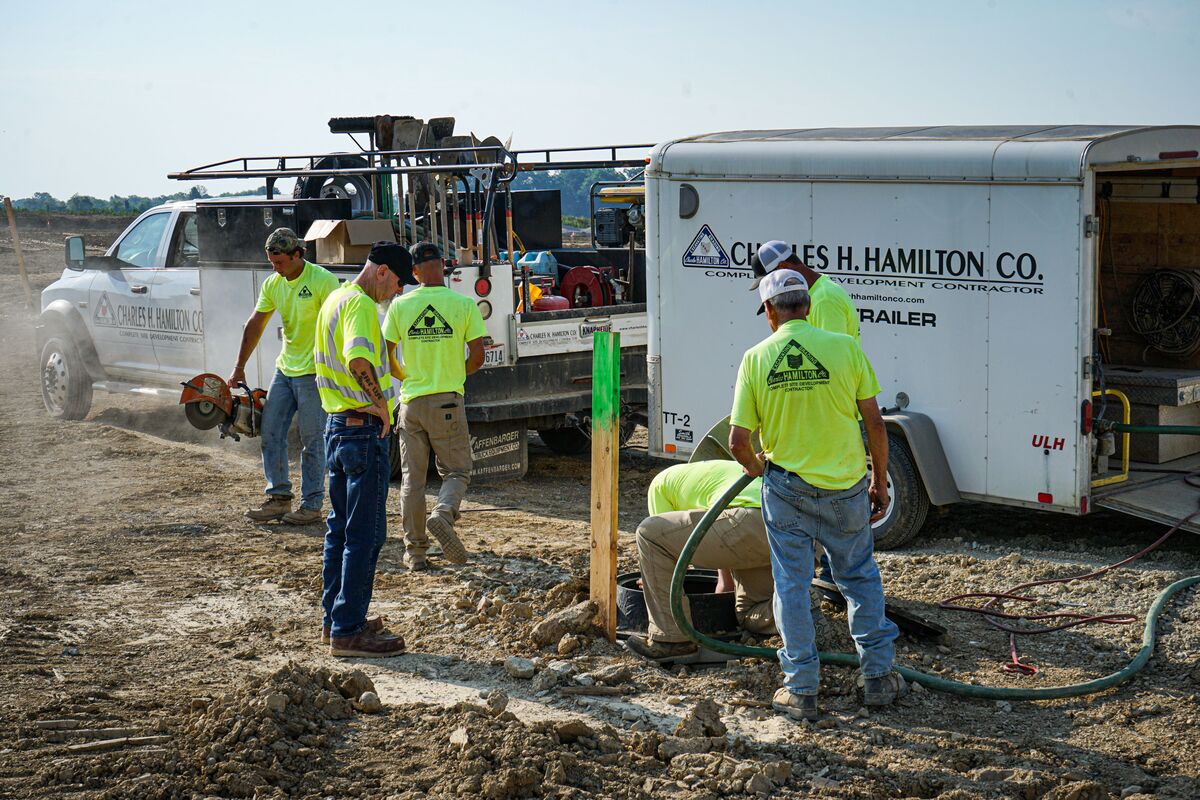
Every contractor in a bid cycle pays the same fuel costs, permit fees, and material baselines. If one bid lands significantly lower than the rest, that difference has to come from somewhere. It usually shows up in four places.
The first is equipment. Construction Business Owner reports that fleet condition and maintenance account for up to 20% of a construction company's total costs on average. A contractor running older machines with deferred maintenance spends less per hour in that category. The tradeoff is more breakdowns, less precision, and longer cycle times on every task those machines touch.
The second is crew composition. A bid built around more green laborers and fewer experienced operators carries a lower labor rate. That rate looks good on paper. On the jobsite, it means fewer people who have run the specific scope before. That gap changes how many passes it takes to get a subgrade right or a utility trench to spec.
The third is material sourcing. Lower-grade aggregate, thinner base courses, and fewer compaction passes all trim the number. They also shrink the margin for error in everything built on top of them.
The fourth is safety. A contractor cutting here spends less on crew training and runs fewer safety certifications. The compliance infrastructure around the jobsite gets thinner. One incident where those protocols fall short creates costs that go well beyond the original bid. OSHA penalties, project shutdowns, and the schedule disruption that follows can each outweigh the savings on their own. Heavy excavation carries those risks every day.
Each of these reductions lowers the bid. What they cost the project is a different number.
When the Cheapest Bid Becomes the Most Expensive Line Item
Those reductions don't eliminate costs. They relocate them.
A less experienced grading crew misses the subgrade on the first pass. That triggers a re-grade, which costs fuel, labor hours, and schedule time. The re-grade delays the utility crew waiting to mobilize behind them. When the utility schedule compresses, the concrete pour gets pushed into a tighter window. A tighter window means fewer weather days built into the plan. That can force a pour in conditions the crew would otherwise avoid.
Procore's reporting places construction rework between 5% and 12% of total project cost on average. On a mid-size subdivision, even the low end of that estimate can erase a bid's savings in a single scope item. Add a failed inspection, and the number climbs further. A failed inspection means re-mobilizing trucks, crew, and fuel. It means downstream trades sitting idle while they wait.
None of this shows up during bid evaluation. One re-grade doesn't sink a project. But follow that re-grade forward. It delays the utility crew. The compressed utility schedule squeezes the concrete pour. The squeezed pour pushes multiple trades into the same space at the same time. That cascade touches every line item after it. By closeout, the cheapest number on the original spreadsheet has often become the most expensive one on the final.

The Costs That Outlast the Project
The financial exposure doesn't end at closeout. A developer moves on to the next site. The finished one is still standing on the work that was done.
Drainage failures from poor grading show up in the first heavy rain season. Insufficient compaction leads to settling. That settling shows up as cracks in curbs, driveways, and roadways months later. Utility lines installed without proper bedding shift over time. Those shifts generate service calls that land on the developer's desk long after the contractor has moved on.
A drainage system that fails in year two costs more to fix than it would have cost to install correctly. A road that settles and cracks generates municipal complaints tied to the developer's name. The cheapest bid's final price plays out over the life of the infrastructure it built.
How to Read a Bid Beyond the Bottom Line
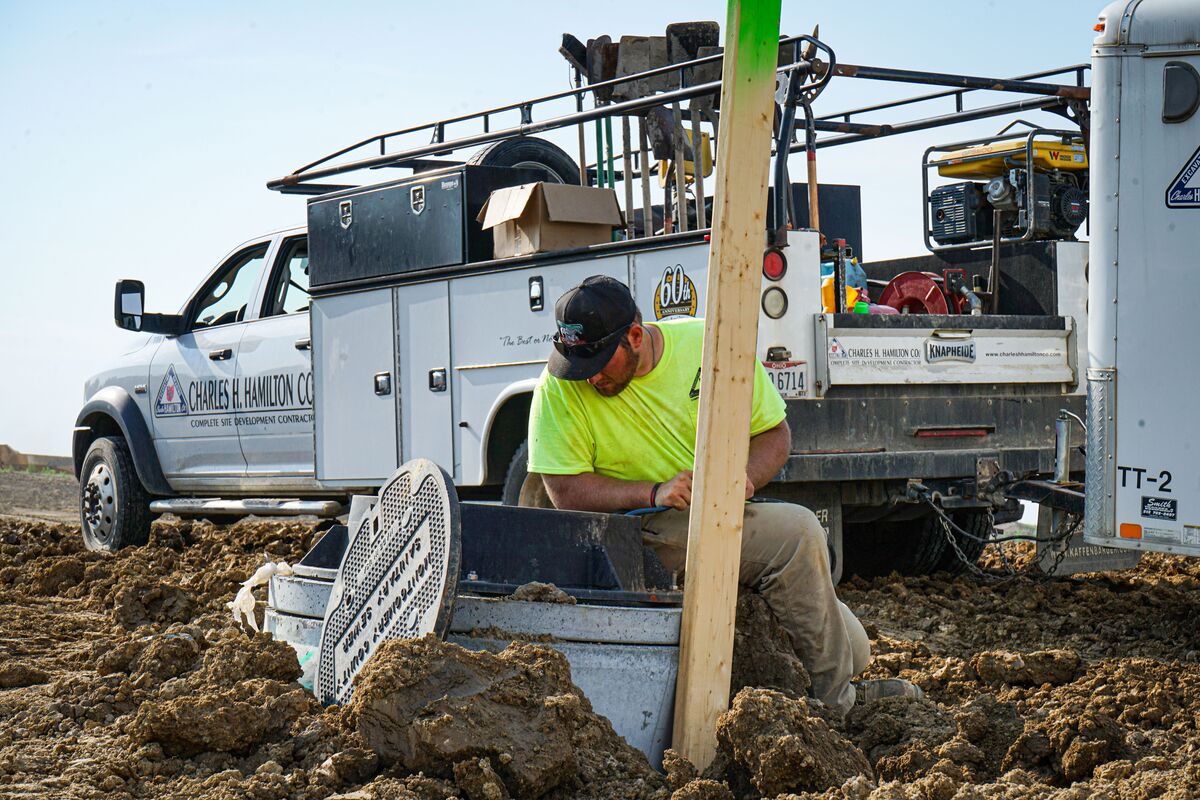
A few specific questions during bid review can reveal whether a price reflects real capability or reduced scope.
Start with equipment. Ask what machines will be on the project and what the maintenance cycle looks like. A contractor who invests in their fleet will have a specific answer. Move to crew experience. Ask how many people on this project have run this particular scope before. Time in the industry matters less than familiarity with the work type.
Ask what the inspection plan looks like and what happens when one fails. A contractor who has accounted for the real cost of the work will have a re-mobilization plan. Ask what the schedule assumes about weather days. Ask how re-mobilization gets handled if a phase needs rework.
Each of these questions maps to a cost category that determines whether the bid's number holds or drifts. The answers won't always disqualify the lowest bidder. They'll tell you whether that contractor priced the work the project actually needs. Or whether they priced the work they hope it takes.
Build on Work That Holds Up with Charles H. Hamilton
Charles H. Hamilton has spent more than 60 years developing subdivisions across Southwest Ohio. Every one of those years has reinforced the same principle: the bid that reflects the real scope of the work holds up at closeout. GPS-equipped equipment doesn't inflate a price. Neither do experienced crews or a commitment to first-pass quality. They're the reason the price means what it says.
If you're comparing estimates on an upcoming project, reach out to start a conversation. The right contractor doesn't cost more. They cost what the work actually takes.