
How Site Conditions Affect Your Pre-Construction Budget Before You Even Break Ground
How Site Conditions Affect Your Pre-Construction Budget Before You Even Break Ground
A piece of land can look like a good deal on paper. The price is right, the location works, and the early numbers pencil out. Then the work starts and the budget moves in the wrong direction.
The reason is almost always the same. Site conditions that weren't accounted for in the early numbers turn out to cost a lot. A recent analysis of 1,800 civil projects found that unforeseen site conditions averaged about 34% of the committed project cost. This blog walks through the pre-construction conditions that drive that number, so you can plan for them before you sign.
Where Budget Risk Starts on a Subdivision Project
Budget risk starts during land acquisition, not during construction. By the time the equipment shows up, the parcel is yours, the plans are drawn, and the budget is fixed. Any condition the early numbers didn't account for becomes a change order, not a planning decision.
The window to catch site conditions is the due diligence period, before the purchase contract goes firm. That's when the price is still negotiable, the design can absorb adjustments without rework, and you can walk away if the numbers don't add up.
This is especially true in Southwest Ohio, where dirt, drainage, and terrain can change a lot across short distances. A parcel next to a project you've done before isn't a guaranteed match.
What the Ground and the Grade Tell You About Cost
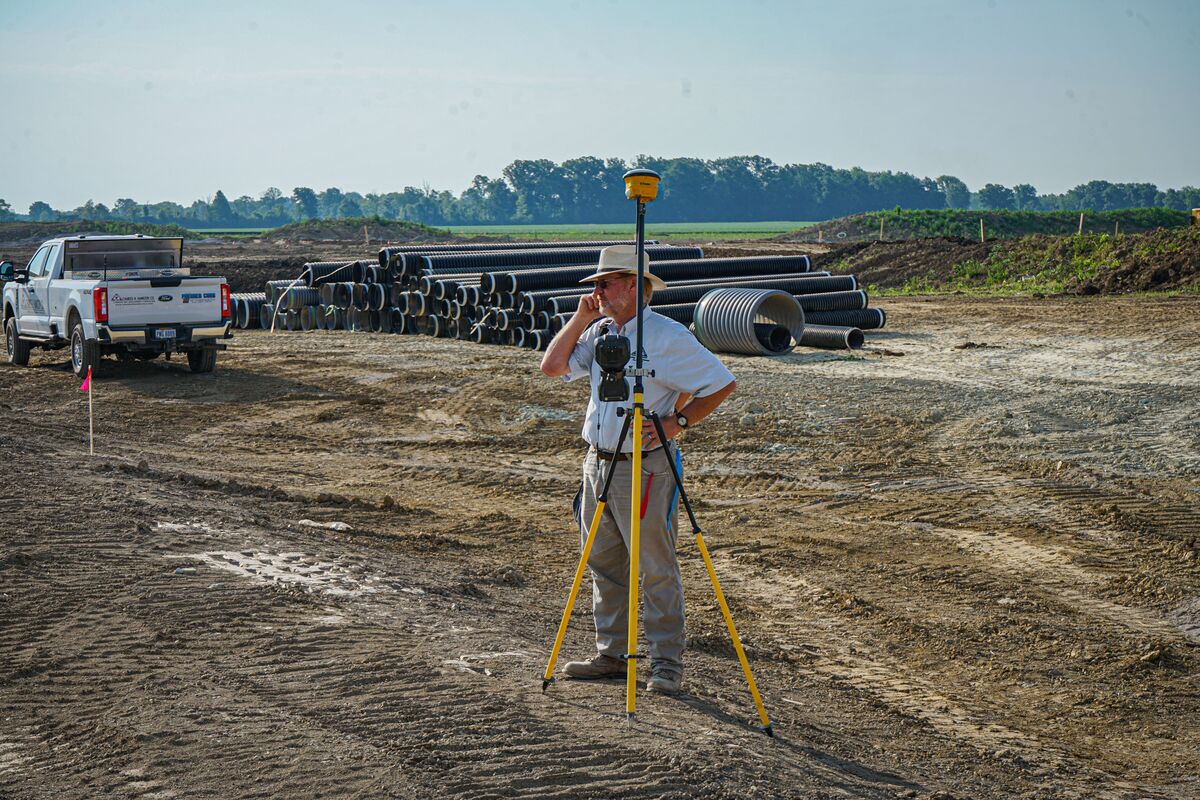
The dirt itself and the shape of the land are usually the biggest hidden cost on a project. Flat ground with good dirt is cheap to prepare for building. Land with hills, bad dirt, or groundwater near the surface costs a lot more to prepare. Both can be built on. The numbers are very different.
Soil Composition and Water Table Depth
Bad dirt hits the budget in three ways.
The first is digging. Hard or rocky soil is slower to excavate and sometimes needs different equipment.
The second is hauling. Dirt on a site can't always be reused to fill low spots. When it can't, it has to leave on a truck, and good fill dirt has to be trucked in to replace it. That's two line items moving at once.
The third is clay. Clay holds water and has to be dried out or stabilized before it'll hold a building. That takes extra schedule, and schedule costs money.
Groundwater is a separate problem. If water sits close to the surface, the crew might have to pump it out while they dig. The plan might also need extra drainage features that weren't in the original budget. These costs often get missed in early estimates because they don't show up until the work starts.
[H3] Topography and Drainage Patterns
Topography means the shape of the land. Hills mean more dirt has to be moved, and sometimes retaining walls have to be built to hold the hills in place. If your parcel has significant grade changes, plan on a bigger grading budget from the start.
Drainage patterns are how rainwater naturally moves across the property. When the natural drainage is poor, the project has to make up for it. That usually means more storm sewer, regrading, or retention ponds that hold rainwater until it can drain away. Most of that isn't in the original budget.
A parcel with steep hills and bad drainage is a double hit. Both problems cost money at the same time.
The Constraints That Add Coordination Time and Cost
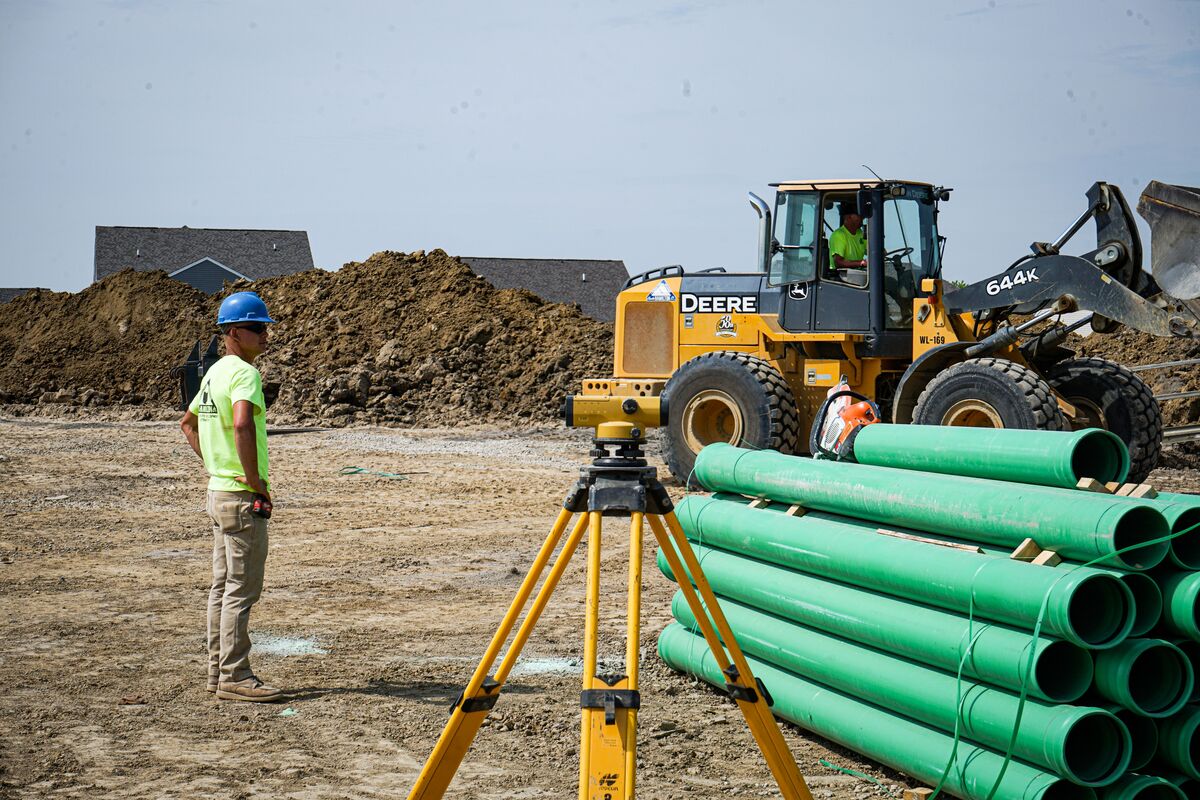
Things already on the property or around it can also add cost. There are three big ones.
The first is existing utility lines. Water, sewer, gas, and electric lines already on or under the property can be in the wrong spot, or in spots that aren't marked correctly. When that happens, the crew has to reroute around them or shut them off, which takes time and money. Good locate work before the dig is how you keep that off the budget.
The second is easements. An easement is a strip of land the developer owns but can't build on, because a utility company or the city has the right to use it. Easements are usually 10 to 20 feet wide. They take away land you were planning to sell, which changes how much money the project makes.
The third is access. A narrow road into the site, or no room on the property to park equipment and stage materials, slows the work down. Longer trips to dump dirt and bring in materials add fuel and time.
Regulatory and Environmental Factors That Hit Before Construction
.jpg)
Government rules cost money before the project starts. Some protect wetlands, which are swampy areas the government doesn't want destroyed. Some protect trees the city wants kept in place. Some control how the site handles rainwater to keep dirt from washing into nearby streams.
The dollars add up for the developer too. Government rules and fees account for about 10% of the final price of a new single-family home during the lot development stage alone. Another 13% hits during home construction. That first 10% is the subdivision developer's category, and it covers impact fees, plan reviews, code requirements, and the delays that come with each.
Wetlands, trees, and erosion control add more on top. Wetland costs alone can run from a couple hundred dollars per acre to several thousand, depending on the parcel. Some sites carry none of this. Some carry enough to reshape the whole budget.
Why the Evaluation Phase Is the Most Valuable Line Item in Your Budget
Every problem in this blog can be found before you sign. That's what pre-construction services are for.
A good site partner walks the land, tests the dirt, looks at the drainage, pulls the utility records, and checks the rules. Then they tell you what each problem is going to cost. With those numbers in hand, you can renegotiate the purchase price, restructure the deal, or walk away. The conditions don't go away, but they stop being surprises.
There's a difference between a partner who walks a site and one who reads a site. Saying "there's clay here" is just an observation. Saying "this clay adds two weeks of drying time, cuts your fill reuse in half, and pushes your excavation cost up" is an estimate you can plan around.
Charles H. Hamilton has been preparing land for subdivisions across the Cincinnati and Dayton area for more than 60 years. We've worked the soils, walked the grades, and run the utilities across the same region you're building in. Modern tools like GPS survey and 3D mapping sharpen the read. Field experience turns the data into numbers you can hold a budget to.
Build a Budget That Holds with Charles H. Hamilton
The cost drivers in this blog are workable when they're caught early. Charles H. Hamilton works with developers during pre-construction to evaluate site conditions and build accurate estimates. Reach out for a pre-construction estimate on your next subdivision project.